


After helping our partner brands build successful online stores, one thing became crystal clear: the products that sell best are the ones that solve real problems.
In fact, before we launch any new plugin or tool, we carefully study what our users actually need, which is why our solutions consistently deliver results.
Choosing the right products to sell online isn’t about following trends or guessing what might work. It’s about understanding your market, identifying genuine needs, and positioning your products to meet those needs effectively.
This approach has helped our partners generate millions in sales.
In this beginner’s guide, we’ll share our proven process for choosing the best products to sell online. Whether you’re just starting out or looking to expand your product line, these are the same strategies we use to identify profitable opportunities in any market.
Key Steps to Choosing Products to Sell
- Understand the Basics: Choose your eCommerce platform, shipping logistics, inventory management, and pricing strategy.
- Choose Your Product Type: Decide between selling widely available commoditized products or unique niche products.
- Conduct Product Research: Use tools like Amazon and Semrush to find products with existing demand.
- Define Your Target Customer: Create customer personas to understand who you are selling to.
- Follow Your Passion: Consider selling products related to your own hobbies and expertise.
- Survey Your Audience: Use post-purchase surveys to get direct feedback and new product ideas.
Why Build an Online Store in the First Place?
Building an online store has lots of perks. Maybe you want to earn extra money in your free time. Or perhaps you already have a small business and want to reach more customers. If you’re feeling adventurous, you can even build a brand-new business from scratch.
Whatever your goal, an online store makes it possible and opens up lots of opportunities. Here are more reasons to start selling online:
- Reach More People: Unlike a regular brick-and-mortar store, an online store can have customers from all over the world. You can even create a multilingual website to cater to your diverse target market.
- Spend Less Money: Running an online store can save you a lot of cash. You don’t have to pay for expensive rent or utilities like you would with a physical store. Plus, you avoid costs related to store equipment, maintenance, and other overhead expenses.
- Be Flexible: You can manage your store from anywhere with an internet connection, whether you’re at home, traveling, or on the go.
- Grow Easily: You can add new products, including digital goods, or try different things as you grow without needing a bigger space. Experimenting with trending items, seasonal products, or entirely new categories is easier, too.
- Always Open: Your store can make sales 24/7, even when you’re asleep.
How to Choose the Best Products to Sell Online
Now that you know why building an online store is a great idea, it’s time to tackle the next big step: choosing the best products to sell online. Here’s a breakdown of the steps we will cover in this guide:
Ready? Let’s get started.
1. Basics of Choosing Products to Sell in Your Ecommerce Store
Before you start looking into products that you can sell, there are some basics that you need to keep in mind. Let’s look at some of the most important ones first.
1. Choosing Your eCommerce Platform
First, you need to choose a platform that you want to use to sell your products.
Choosing the right eCommerce platform for your online store is important because it will affect your choice of products and how you do business.
WooCommerce is the most popular eCommerce platform in the world. It is easy to use, and you can use it to sell all kinds of products while accepting payments using multiple payment gateways.
However, many beginners also consider Shopify. Here is a brief comparison:
| Feature | WooCommerce | Shopify |
|---|---|---|
| Pricing | Free core plugin, but you pay for hosting and premium extensions. | Monthly subscription fee, plus transaction fees on some plans. |
| Ease of Use | Requires some setup within WordPress, offering more control. | Very beginner-friendly with a fully hosted, guided setup. |
| Flexibility | Highly flexible and customizable with thousands of themes and plugins. | Less flexible, as you operate within Shopify’s closed system. |
For a side-by-side comparison, see our article on Shopify vs. WooCommerce, which discusses the pros and cons of both platforms.
2. Shipping
Shipping has a huge impact on the success of an eCommerce store.
A study conducted by Business Insider discovered that higher shipping costs are the #1 cause of all abandoned shopping carts online.
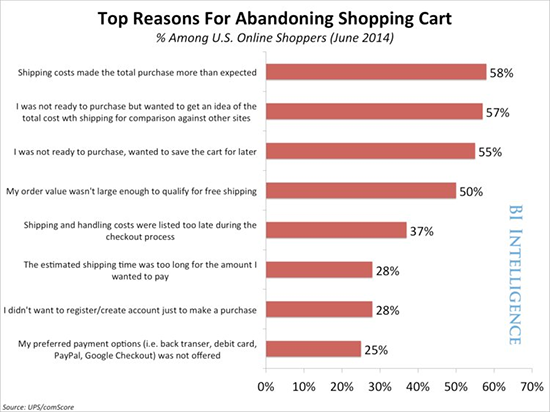
You will obviously want to select products that you can ship at lower costs or for free.
You can also recover abandoned carts with a tool like OptinMonster. It uses exit-intent technology to detect when a visitor is about to leave the checkout page and then displays a targeted popup with a discount or reminder to encourage them to complete their purchase.
If you only plan to sell digital products (music, video, software, eBooks, and so on), then you don’t have to worry about shipping because the products will be downloaded by customers online, and you can track those downloads to see what sells the best using software like Easy Digital Downloads.
💡 Bonus: Our partner brands use Easy Digital Downloads to sell their plugins and have had a great experience with it because it’s the ideal platform for their products. To learn more, see our Easy Digital Downloads review.
3. Inventory
Do you want to manage inventory and keep products stocked? For that, you will need storage space and inventory management through your eCommerce software. Keeping products in stock will increase your business cost.
On the other hand, dropshipping solves this problem. You can select products that are shipped directly by the manufacturer or supplier.
4. Price
You’ll need to find products where you can offer a competitive price to your customers. If the product you are selling is more expensive than your competitors, then obviously, that would discourage many first-time buyers.
2. Types of Products That You Can Sell Easily
The products you can sell online generally fall into two main categories: commoditized products and niche products. Understanding the difference is key to your strategy.
1. Commoditized Products
Commoditized Products are essential, high-demand items sold by many retailers with little difference in quality. Think of everyday goods like soap, office supplies, or standard clothing.
These are often mass-produced by large brands, making it difficult for new stores to compete on price with giants like Amazon or Walmart.
2. Niche Products
Niche Products serve a specific customer segment or interest. These can be unique, handmade, or specialized items with limited availability, such as custom-made jewelry, artisanal foods, or software for a particular industry.
Because they aren’t widely available, niche products give you a competitive advantage and a better chance to build a loyal customer base.
| Feature | Commoditized Products | Niche Products |
|---|---|---|
| Competition Level | Very High | Low to Medium |
| Price Sensitivity | High (customers seek the lowest price) | Low (customers value uniqueness) |
| Potential for Branding | Low (market is dominated by established brands) | High (opportunity to build a unique brand) |
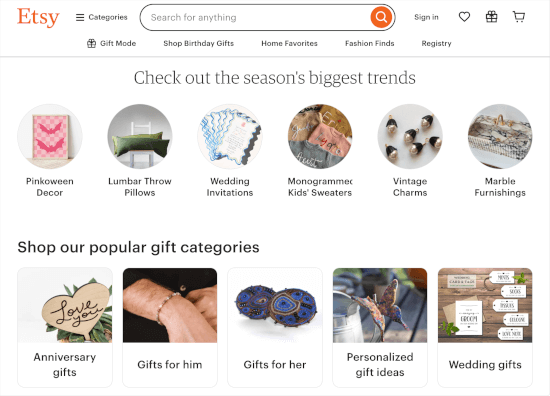
You can find niche product suppliers on platforms like Etsy, where independent creators sell their goods.
You can also source products from international suppliers on sites like AliExpress or Alibaba.com.
3. Doing Product Research On Your Own
Don’t guess about selecting products to sell online. You can back it up with data so that you know there is a demand for these products and customers are looking for them.
The first tool you are going to use for your research is Amazon.
It’s the world’s largest eCommerce store, with thousands of products. Luckily, it’s also a treasure trove of free data that you can scrape to help make your decisions.
Not only is their search engine full of autocomplete suggestions, but their product categories can be used to find niche products that are popular with a smaller set of consumers.
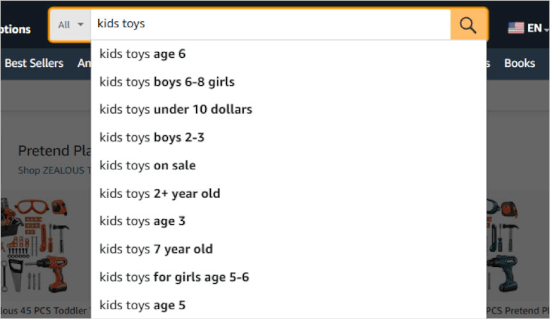
Let’s suppose you wanted to sell kid’s toys.
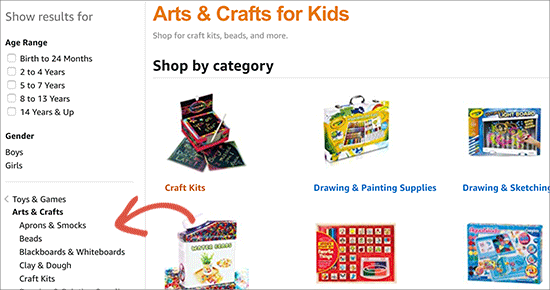
You can narrow down your search to very specific toy categories such as ‘clay & dough’ or ‘craft kits.’
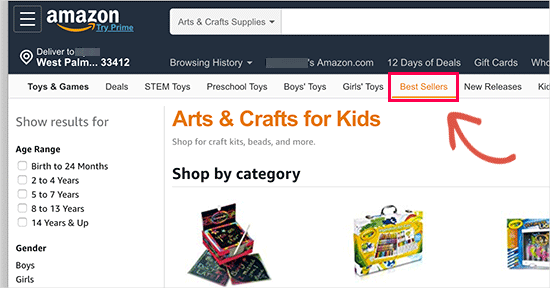
Then, you can switch to the ‘Bestsellers’ view to see the top-performing products in each category on Amazon.
This helps you find proven sellers in a less competitive niche. You can also get great ideas by reading the 3 and 4-star reviews for these items to see what improvements customers are looking for.
This excludes the most popular products that are available everywhere and have high competition, but it includes items popular enough that you could keep in stock and most likely sell.
Semrush is another great tool that you can use to gather data from competitors or any eCommerce store you want.
With it, you can discover a competitor’s top traffic sources, their most popular products, and the specific ads they are running.
It also shows your competitor’s product listing ads from Google. You can see their best-performing product listing ads, keywords, and other data.
Here are some other tools you can use to gather product data from other websites:
- Ahrefs: A powerful competitor research tool used to see what’s popular on other websites.
- AdPlexity: An eCommerce research tool that helps you collect data from across the web.
- AmazeOwl: An Amazon product research tool that is available as a free desktop application.
Keep in mind that many of the more powerful tools like Semrush and Ahrefs are premium subscription services. However, they often offer free trials, which are a great way to get started.
4. Use Customer Personas to Find Product Ideas

A customer persona is a fictional profile of an ideal customer that you want to target.
You can create this profile by answering simple questions about an ideal buyer. This is your target audience, and personifying them helps you understand them better when you are doing product research.
If you have an existing store, then you can use eCommerce tracking in Google Analytics to build an ideal buyer persona.
For instance, you can look at the Demographics and Interests reports. These will show you valuable data like the age, gender, and hobbies of your current customers, which can help you create a detailed persona.
If you are just starting out, you’ll want to use your best guess to build a customer persona. This exercise helps you understand your customers’ needs, questions, and what kind of products they would like to buy.
To learn more about buyer persona, then you can see this guide on creating a concrete buyer persona with ready-made templates and examples.
5. Find Products You are Passionate About
As career advisors say, ‘Choose a job you love, and you’ll never have to work a day in your life.’
Similarly, choosing products you are passionate about helps you sell them more effectively.
These could be products that you personally love and passionately recommend to your family and friends. Why not recommend and sell them to others online?
It could also be products related to a hobby or activity you are passionate about. Nothing drives more passion when you build something useful and want others to use it. Following your passion allows you to look deeply into products and find ideas that offer real value to your customers.
6. Use Post-Purchase Surveys
If you already have a WordPress blog, website, or online store, then post-purchase surveys could be a way to gain valuable insight into how to improve user experience and discover what customers are looking for.
As a business owner, it’s a good idea to have a pulse on what your most loyal customers want from you. You can ask these questions in your survey:
- What was the main problem you hoped to solve by purchasing our product?
- What products do you like the most from us and why?
- What other types of products would you be interested in seeing in our online store?
- Are there any complementary products you would like to see offered alongside this product?
- What problems are you facing currently? For example, if you sell skincare products or outdoor gear products, you can tailor the products you sell to solve the issues they face.
To create these post-purchase survey forms, you can use WPForms. There are already ready-made templates for surveys, meaning you don’t have to start from scratch.
At WPBeginner, we’ve used it to create our annual survey, and it’s worked great for us. To learn more, see our WPForms review.
Just drag and drop the questions you want to ask, and you’ll have a form ready to send to your email list in minutes!
For more details, simply read our full tutorial on how to easily create post-purchase surveys in WooCommerce.
Bonus: Selling a Single Product Online
When you think about selling online, you might imagine having tons of different items. But you don’t have to do that. You could just sell one product in your online store.
This way, it’s easier to manage because you don’t have to handle a bunch of inventory or update your website for each item. Plus, it’s cheaper. You won’t need a ton of resources or expensive hosting.
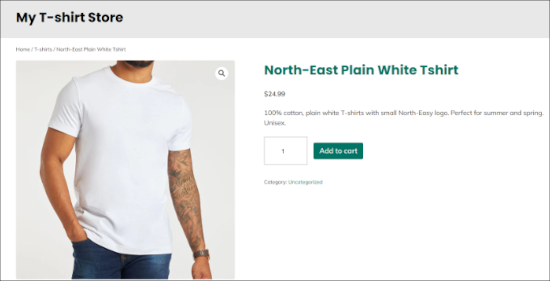
Focusing on one product lets you become an expert in that area, helping you cater to your audience better. It also makes creating marketing campaigns easier and more effective.
For more details, you can read our guide on how to sell a single product online with WordPress.
We hope this article helped you learn how to choose the best products to sell online. You may also want to see our guide on eCommerce pricing model – how to easily price a product and our list of profitable eCommerce business ideas.
If you liked this article, then please subscribe to our YouTube Channel for WordPress video tutorials. You can also find us on Twitter and Facebook.


Moinuddin Waheed
This is an invaluable resource guide for finding out the best products to sell online.
Having a sound understanding of the audience for making products decision is very good approach.
it will help grow the business as you already know your audiences and you have curated your products to meet their requirements.
Mrteesurez
Finding a product you are passionate is good and make you stay long and have patience to make your store grow.
But most times, using customer personas to find product ideas is to me the best way, from that you already know your audience and who you are selling to, you will have little fear of product success or not. This gives you full confidence.
Rahul Maurya
nice tips
WPBeginner Support
Thank you
Admin
BusinessHAB
This is a very nice tips. Thanks.
WPBeginner Support
You’re welcome
Admin
Mark Roth
“This makes it harder for you to compete with giants like Amazon, Walmart, Target, etc. They can offer those products at lower costs, free shipping, and other perks.”
In such an instance, join Amazon’s affiliate program.
Thank you for this post!
WPBeginner Support
And thank you for your feedback on it
Admin