


Starting an online store should be exciting, but we remember staring at our computer screens, paralyzed by one question: How do we actually get products to our customers? The technical side of WordPress was challenging enough without worrying about inventory and shipping.
We’ve helped a lot of online store owners make this decision. After watching countless entrepreneurs struggle with this choice, we’ve learned that picking the wrong fulfillment model can sink a promising business.
Most new store owners get caught up in the hype around “passive income” and “automated businesses.” But both Amazon FBA and dropshipping require real work—just different kinds of work.
This guide will help you cut through the noise and make a decision based on your actual situation. You’ll discover which model fits your current resources and get a realistic picture of what success looks like with each approach.
Quick Overview of Amazon FBA vs. Dropshipping
If you just want the highlights, this comparison table will help you quickly see which fulfillment method is the better fit for your store:
| Feature | Amazon FBA | Dropshipping |
|---|---|---|
| Upfront Costs | High (must buy inventory in bulk) | Low (no inventory costs) |
| Inventory Management | Handled by Amazon | Handled by you (via a supplier) |
| Shipping Times | Fast (1-2 day Prime shipping) | Varies (can be slow, 2-4 weeks) |
| Level of Control | High (control over branding/packaging) | Low (no control over fulfillment) |
| Customer Service | Handled by Amazon | Handled by you |
| Profit Margins | Lower (due to FBA fees) | Higher (but you pay for marketing) |
Here are the topics that we’ll be covering in our Amazon FBA vs. dropshipping guide:
- What Is Order Fulfillment in eCommerce?
- Why Use Amazon FBA or Dropshipping for Order Fulfillment?
- What Is Amazon FBA?
- What Is Dropshipping?
- The Best Option to Build Your Online Store
- Key Differences Between Amazon FBA and Dropshipping
- Amazon FBA vs. Dropshipping: Which Is Better for Small Businesses?
- Frequently Asked Questions About Amazon FBA vs Dropshipping
You can use the jump links above to skip ahead to a specific section of the article. Otherwise, let’s dive right in!
What Is Order Fulfillment in eCommerce?
Every online store needs a plan for order fulfillment. This is the process of getting products from you to your customers.
A typical fulfillment workflow includes:
- Sourcing – Deciding where your products come from (manufacturing yourself or working with suppliers).
- Storage – Keeping products in a warehouse until they’re ready to ship.
- Processing – Receiving orders, packaging items, and preparing them for delivery.
- Returns – Handling products that customers send back.
Your fulfillment method determines how smoothly these steps run. It also affects your costs, delivery times, and customer satisfaction.
Since fulfillment plays such a central role in eCommerce, choosing the right approach can make or break your store’s success.
Why Use Amazon FBA or Dropshipping for Order Fulfillment?
Amazon FBA and dropshipping take care of the hardest parts of order fulfillment—like storage, packaging, shipping, and even returns—so you don’t have to.
For many online stores, this can be a game-changer. Managing fulfillment on your own often means:
- Running a one-person business from home and struggling to scale.
- Losing or mismanaging inventory due to limited space.
- Paying high warehouse and inventory costs when manufacturing in-house.
- Dealing with delayed orders and frustrated customers.
- Feeling lost as a new seller who isn’t sure how to fulfill products efficiently.
By outsourcing these steps to Amazon FBA or a dropshipping supplier, you remove the biggest problems in fulfillment.
This enables you to deliver products faster, reduce overhead, and focus on what truly drives your store’s growth, such as marketing, sales, and customer experience.
What Is Amazon FBA?
Fulfillment by Amazon, or FBA, is a service where Amazon manages the entire order fulfillment process for you.
This means that Amazon takes care of:
- Storage – Keeping your products in their fulfillment centers.
- Packaging and shipping – Preparing orders and delivering them to customers.
- Returns – Handling product returns and restocking.
- Customer service – Assisting customers on your behalf.
Your products also become eligible for Prime shipping, which allows many customers to receive their orders within one to two days.
On your side, this takes the pressure off managing day-to-day logistics so you can focus on growing your business.
How Amazon FBA Works
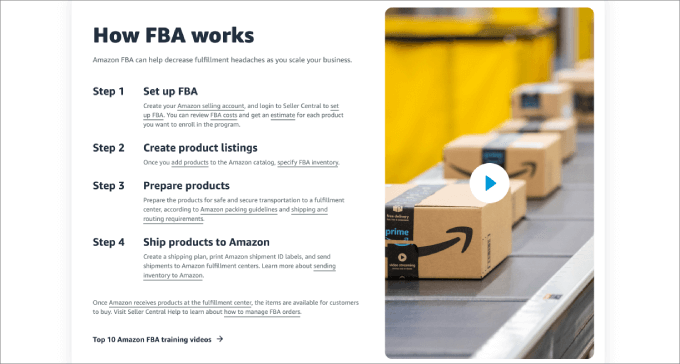
To become an Amazon FBA seller, you’ll first create a seller account and enroll in the FBA program. This involves providing additional information about your products and inventory.
Once approved, you send your products to Amazon’s fulfillment centers.
From there, Amazon stores your inventory, processes incoming orders, and delivers products directly to customers.
FBA also isn’t limited to the Amazon marketplace.
With Amazon Multi-Channel Fulfillment (MCF), you can sell products on other platforms—like WooCommerce—and Amazon will handle the fulfillment.
For example, when a customer places an order on your WooCommerce store, Amazon automatically ships it straight to them.
What Is Dropshipping?
Dropshipping is a fulfillment method where you sell products without keeping them in stock. Instead, you partner with a third-party supplier who stores, packages, and ships products directly to your customers.
You don’t need to worry about:
- Storage – No warehouses or inventory management.
- Packaging and shipping – The supplier handles order fulfillment.
- Upfront inventory costs – You only pay for products after customers place orders.
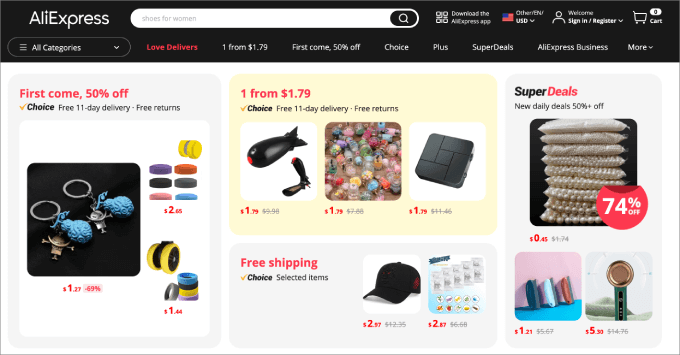
Popular dropshipping suppliers include AliExpress, Spocket, SaleHoo, US Direct, Printify, and Alibaba.
How Dropshipping Works
To start dropshipping, you’ll set up an online store and connect it to your chosen suppliers. When a customer places an order, the details are automatically sent to the supplier, who ships the product directly to the customer under your store’s branding.
Dropshipping works well on platforms like WooCommerce, where extensions can automate order forwarding, inventory syncing, and tracking.
This setup lets you expand your product range quickly and run your business without worrying about storage or shipping.
That said, some sellers also dropship from retailers like Amazon, Walmart, or Home Depot—but keep in mind that certain stores, such as Target, have strict eligibility requirements.
If you are interested in building a dropshipping store, follow our ultimate WordPress dropshipping guide.
The Best Option to Build Your Online Store
Both fulfillment models have pros and cons. No matter where you source and sell your products, you will want to create an online brand.
A strong brand presence allows you to outperform your competition. When you sell solely on marketplaces like Amazon, Etsy, eBay, or other e-commerce marketplaces, you are limited to their rules. Breaking those rules can result in your store being removed or suspended, which can be catastrophic.
Additionally, you have little to no customization since all stores must remain on brand with the site. Beyond that, you have very little control over the customer experience, meaning you can’t offer one-click upsells, provide different payment options, or even send abandoned cart emails.
While selling products on the Amazon marketplace means you’ll have to follow their storefront rules. Using the FBA service for fulfillment doesn’t stop you from having your own branded website.
You can be an Amazon seller with your own store page on their site, and also run a separate online store where you have full control.
That’s why the best option for differentiating yourself from competitors is to build your own online store with WooCommerce.
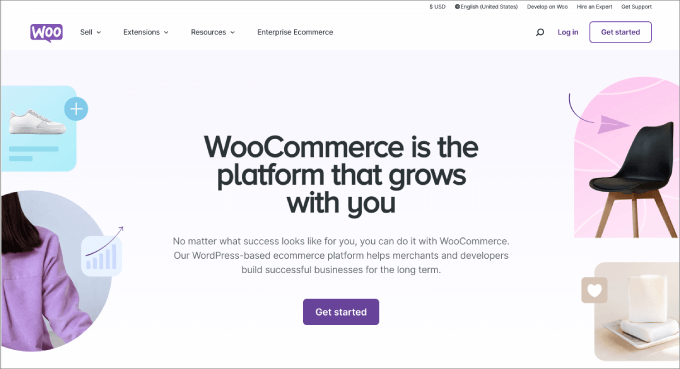
Unlike Shopify, BigCommerce, or similar eCommerce sites, WooCommerce is an open-source eCommerce platform that is housed directly on WordPress.
That means you can easily start a blog, drive traffic, collect emails, or even connect it to a retail store without hassle.
Plus, it is super scalable. To learn more about our experience, see our WooCommerce review.
The plugin has a wide range of apps on the Woo marketplace, and you can install WordPress plugins to customize your site.
With so many dropshipping plugins for WooCommerce, you can instantly sell in-demand products, fulfill orders from your site, and much more.
You can also create an eBay-like eCommerce marketplace, allowing other vendors to sell on your website.
Even if you run an Amazon store using FBA, it’s still good to have a website separate from Amazon. That way, you can control customer data and continue marketing to them to gain repeat purchases and build loyalty.
To get started, just follow our step-by-step WooCommerce tutorial.
Key Differences Between Amazon FBA and Dropshipping
Before you dive into choosing your fulfillment method, it’s a good idea to understand the major differences between Amazon FBA and dropshipping.
1. Upfront Investment and Overhead Costs
The biggest advantage of dropshipping is the low initial investment. Since you don’t hold inventory costs, you have no overhead costs except web hosting, marketing and advertising expenses, and any other software you use.
Dropshipping allows you to wait until sales roll in before you place an order with the supplier.
On the other hand, Amazon FBA has high upfront costs. You need to buy the products upfront and send them to Amazon warehouses.
For example, if you purchase some of your stock from a site like Alibaba, then the seller you buy from might have a minimum order quantity of 500 units. So, you would need the capital to buy 500 units in advance to shop at Amazon.
In addition, there are shipping costs involved with sending your products to their warehouses.
Through their ‘Send to Amazon‘ feature, you do get discounted shipping rates, especially when using Amazon-partnered carriers. You would need to complete certain steps, like telling them which inventory you are sending and the quantity.
To give you an idea, here are some of the common costs associated with Amazon FBA:
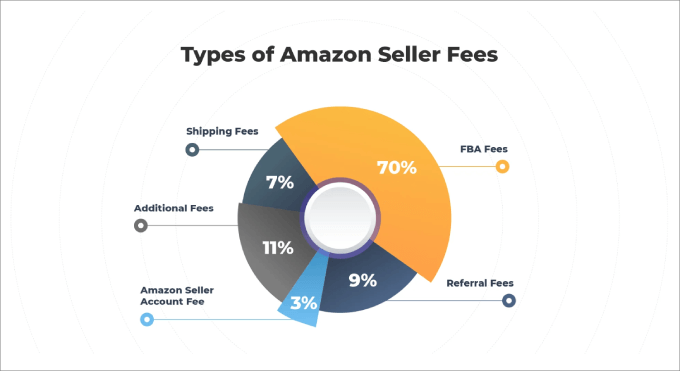
- Minimum order quantity: $500 to $2000 in product costs
- Monthly inventory storage (per cubic foot): $0.56 to $3.34, depending on the size, category of item, and season
- FBA fulfillment fees for standard-size products (per unit): Starting from $3.06 and increasing based on weight
- FBA fulfillment fees for oversized products (per unit): Starting from $9.61 + $0.38/lb and increasing depending on weight and dimensions
- Inventory storage overage fee: $10 per cubic foot monthly
- Inventory removal disposal fees: Starting from $0.97 per unit and increasing based on shipment weight
- Aged inventory surcharge: $.50 to $6.90+ per cubic foot, depending on how many days stored
For the most accurate estimate, we recommend using Amazon’s official FBA Revenue Calculator to see how these fees apply to your specific products.
On top of that, Amazon charges referral fees, which are usually about 15% of the product’s selling price on each product sold. Outside the seller fee, Amazon FBA charges the inventory storage fees and fulfillment fees, as shown above.
You may want to keep a product catalog along with inventory for each item, ensuring that you’re never out of stock.
Beyond that, there’s also an ‘Amazon Professional Sellers’ fee of $39.99 per month.
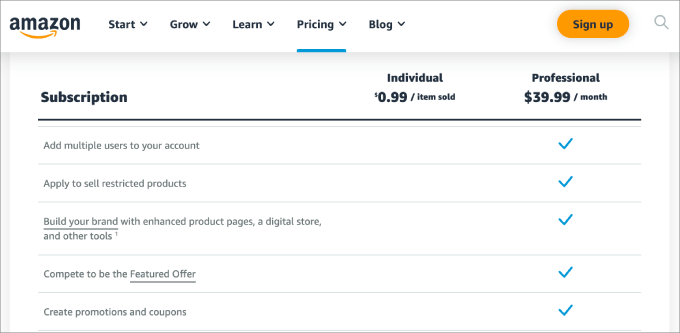
This subscription gives you all the benefits of becoming a professional seller on Amazon, such as the ability to use Amazon ads, offer free shipping promotions, and sell in multiple categories.
Winner: Dropshipping has no upfront costs. You only pay once orders are placed, drastically reducing the overhead expenses.
2. Profit Margins
At first glance, it might seem like dropshipping has better profit margins because you don’t have to pay Amazon’s referral and storage fees.
However, your final profit also depends on other costs, like higher per-item product prices from suppliers and paying for all of your own marketing and advertising.
So, if your goal is to maximize profits item-for-item, dropshipping could be the better option.
That said, Amazon gets 2.27 billion web visits per month. That means just by being a seller on the platform, you get free traffic to your product listings.
While you don’t have fees for dropshipping, you are in charge of driving traffic to your product pages. In most cases, that means spending more money on advertising.
The profit margins for both fulfillment models vary depending on your product category, how you mark up prices, and the overall perceived value of your item.
To boost profit margins, you may want to leverage pop-ups to increase sales and increase the average order value.
Winner: Dropshipping has better profit margins because the Amazon FBA service comes with referral and storage fees. These fees eat into your profits, so it’s important to price your products accordingly.
3. Customer Service
Dropshipping your products means you will most likely have to handle all customer support queries.
You’ll need to promptly respond to all customer support emails. Depending on how many orders you have daily, this can quickly become a growing pain for large stores.
That’s why it’s best to install help desk and live chat plugins.
As a result, customers can easily get their questions answered. Beyond that, you’ll want to have a frequently asked questions section to help reduce the number of queries you get.
You’ll want to answer questions such as:
- What are the expected shipping times?
- What are the shipping rates to different locations?
- What is the return or refund policy?
- How do you install or use the product?
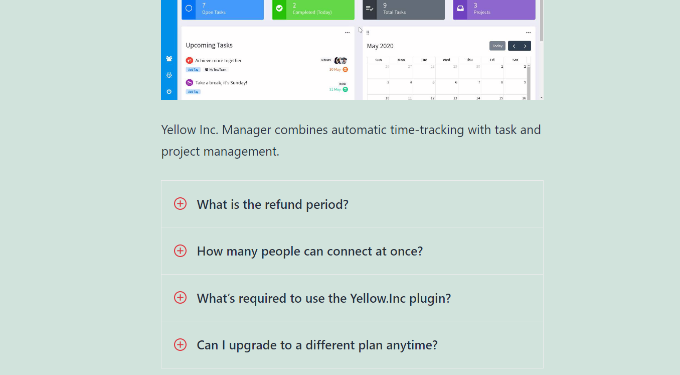
If you have a WordPress website for your online store, then it’s reasonably easy to set up an FAQ section. Here’s an example of one created using the Heroic FAQs plugin:
By contrast, when you choose FBA, you get to tap into Amazon’s existing customer service. You don’t need to hire virtual assistants or customer service representatives to handle all of your return or refund requests.
Amazon also has a no-questions-asked return policy. Customers are confident that they can always return their items anytime and get their money back. When customers have an issue with an order or delivery, they’ll just need to contact Amazon’s service reps through live chat.
Winner: FBA gives you access to Amazon’s built-in support system. Customers have peace of mind that they can always contact Amazon’s trusted support team for any issues and return their products within 30 days.
4. Shipping Times
Depending on where you source the products, dropshipping can have very slow shipping times. If you source from American suppliers, then your customers may only wait a week for their order.
However, in many cases, dropshipping from overseas can take anywhere between two to four weeks for the shipment to arrive.
The AliExpress delivery times range from 15 to 30 days.
If you do have long shipping times, make sure to always offer shipment tracking so that customers aren’t left wondering when their package will arrive.
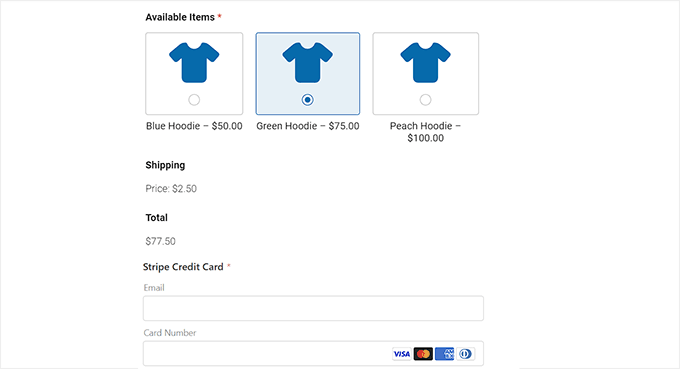
Note: If you are adding shipping costs based on location for dropshipping, then it’s a good idea to add a shipping calculator. Amazon automatically does this for customers at checkout, but for dropshipping sites, you’ll need to add this on your own.
By contrast, when you choose FBA, you get to leverage all of Amazon’s shipping and logistics services.
Since they handle the entire fulfillment process, they will use their network of carriers to ensure a two-day delivery time.
Winner: Amazon has warehouses worldwide. When you enroll in the FBA program, Prime users can have their orders delivered within days.
5. Level of Control
One of the biggest downsides to dropshipping is the lack of control. Since you don’t hold inventory, you have no say over how the packaging looks or the product quality.
Plus, because you are dropshipping, you don’t get to customize the product to fit your branding.
For example, if a customer receives a poorly packaged product with Chinese printed labels, it might not reflect well on your brand, especially if it doesn’t match what your website portrays.
With Amazon FBA, you are essentially developing your own private-label brand. This simply means you work with a manufacturer to put your own brand name and logo on products that you sell exclusively.
This is similar to how you would build a brand using a storefront through WooCommerce or Shopify.
Since you are buying items in bulk, you can work with your suppliers to customize the products to fit your needs. Plus, you are able to send Amazon any printed packaging labels, postcards, or special gifts to personalize the customer experience.
As you scale your online business, you will want more control over the shipping process.
Winner: Amazon FBA allows you to customize your packages and labels and add branding elements before you ship inventory to their warehouses. With dropshipping, you have no control over how the company ships, packs, or handles your products.
6. Competition
Both fulfillment methods have high competition, depending on your product niche.
The competition for dropshipping depends on where you sell your products. If you sell on Etsy, eBay, or other third-party platforms, you’ll have direct competition with other sellers selling similar products.
However, if you sell in your own store through WooCommerce or Shopify, you can use ads to drive traffic to your product page. In that case, your audience probably won’t be directly comparing your products to other sellers.
On the other hand, Amazon has more head-to-head competition. Customers can visibly see all your competitors, their products, and prices.
For example, if you are searching for a product like a ‘pet grooming kit,’ you’ll get to see all the sellers in one place. It’s easy for customers to price shop on a marketplace like Amazon.
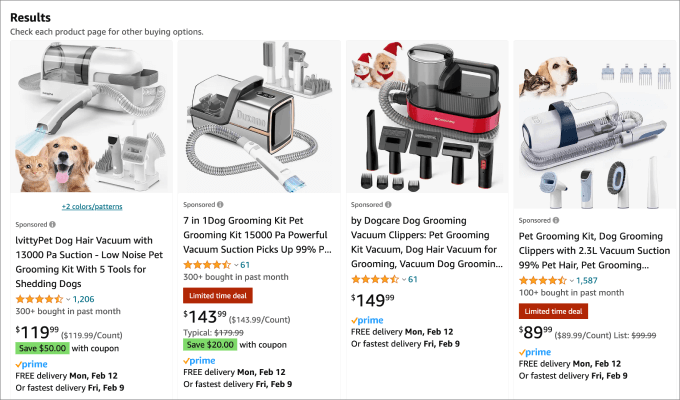
With reviews and rating systems in place, Amazon FBA can be seen as more competitive than dropshipping through a storefront you control.
Winner: Both can have high competition. But if you have your own online store that you drive traffic to, then dropshipping has less direct competition since competitors won’t also show in sitewide search results.
7. Trust and Credibility
Dropshipping doesn’t provide nearly the same level of credibility as Amazon does. If you sell on your WordPress site, then first-time customers don’t know what to expect. It can take time to establish a brand reputation, which isn’t as necessary if you are an Amazon seller.
Unless you are a big brand, customers might be worried that the product quality is bad or, even worse, that the product never arrives. Sure, they can go to their banks or payment gateway and request a refund or chargeback, but the process is a much bigger hassle.
While you won’t be able to emulate Amazon’s credibility with dropshipping, you can still use a social proof plugin like TrustPulse and SmashBalloon on your website to help build trust with visitors.
It will show real-time notifications of customers buying your products, which can convince visitors that your brand is trustworthy.
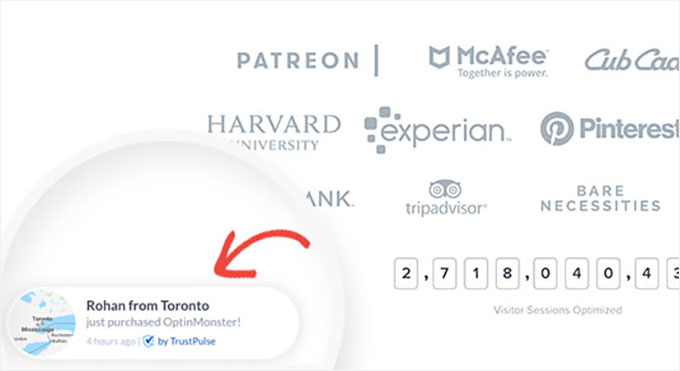
Amazon is the market leader in e-commerce and is widely recognized for its outstanding customer satisfaction. Due to Amazon’s iron-clad return policy, buyers are confident they can always return items easily.
Plus, generally, most products sold on the platform have a high satisfaction rating of 4+ stars.
When you choose Amazon FBA, customers aren’t worried about fraud, which can help boost sales.
Winner: Amazon has a built-in trust factor. Customers know they’ll receive their products on time and without many issues.
8. Multi-Channel Selling
As a seller, you may not want to be limited to one traffic source. That’s one of the big advantages of dropshipping. You can choose to take your store anywhere.
You can dropship items listed on eBay, Amazon, Etsy, or your own site, or you can even use print-on-demand services like Printify.
Plus, you can choose to use any form of advertising you’d like to drive traffic to your dropshipping store, including Facebook ads, Google PPC campaigns, social media posts, and even blog content.
With FBA, you are primarily limited to selling only on the Amazon platform unless you enroll in their MCF program. As mentioned, you’ll be in direct competition with other sellers. That means a competitor can easily swoop in to undercut your prices and take away your sales.
Even if you choose FBA, you can still build a separate e-commerce store outside of Amazon. This will allow you to sell your products elsewhere and control your customer data.
Winner: When you dropship products, you can sell them anywhere online. To sell on other platforms using FBA fulfillment, you’ll need to use their Multi-Channel Fulfillment (MCF) program.
Amazon FBA vs. Dropshipping: Which Is Better for Small Businesses?
Both fulfillment methods can work for small businesses. Overall, dropshipping is best for new sellers who are just getting started because it allows you to test products without first buying inventory in bulk.
Plus, you can drop ship from your own online store. This will give you the freedom to control your store’s customizations and branding without having to follow the rules of third-party marketplaces.
That said, if your products are already selling well, it might be a better option to transition to Amazon FBA. FBA streamlines the fulfillment process so you can take advantage of faster shipping times and professional delivery services.
Frequently Asked Questions About Amazon FBA vs Dropshipping
Here are some frequently asked questions about Amazon FBA vs. dropshipping:
Is Amazon FBA or dropshipping better for a new eCommerce business?
It depends on your budget and goals. Dropshipping is better if you want a low-cost, low-risk entry into eCommerce. On the other hand, Amazon FBA is better if you’re willing to invest upfront to tap into Amazon’s customer base and scale faster.
How does customer service differ Amazon FBA and dropshipping?
Amazon FBA handles customer service for you, including returns and refunds, but you have little control over how issues are resolved. On the other hand, dropshipping puts customer service on you. This means you have to answer inquiries, manage returns, and coordinate with suppliers, which can be tricky if they’re overseas.
Which model works better for beginners?
Dropshipping is often the better choice for beginners because it has low upfront costs and minimal risk. You don’t need to buy inventory upfront, and you can start with just a website and a reliable supplier.
Amazon FBA requires an upfront investment, but it offers more automation, as Amazon handles fulfillment and customer service. It’s a great choice if you want to scale faster.
We hope this article helped you understand the major differences between Amazon FBA vs. dropshipping so you can pick the best option for your online store. You may also want to check out our curated list of the best WooCommerce plugins for your store and the best WooCommerce WordPress themes.
If you liked this article, then please subscribe to our YouTube Channel for WordPress video tutorials. You can also find us on Twitter and Facebook.




Dennis Muthomi
Excellent breakdown of both fulfillment methods. I have learned something new about the two methods
Samuel
Wow! great comparison! This article does an excellent job of breaking down the key differences between Amazon FBA and dropshipping. one important point to consider is the level of control each method offers. For me, I think the benefit from Amazon’s robust logistics network, which can enhance customer trust and potentially lead to higher sales and also the load of work of having to provide support to customer are something that should be consider when one is starting out. However, it comes with storage fees and less control over the fulfillment process, though I think the benefits above outweigh this.
Moinuddin Waheed
This is one of the most detailed and comprehensive explanation of the difference and similarities between drop shipping and Amazon FBA services.
I had often confused about the functionality of the two and how one can be used for online selling without the hassle of inventory.
I think due the so much cost associated with the Amazon FBA ,it is advisable to go with drop shipping.
Thanks for the crystal clear detailed explanation.