


Maintaining a single WordPress site does not take much time. But once you are managing a dozen client sites, every plugin update, backup, and security check means logging into each one separately, which adds up to hours every week.
A WordPress management tool solves this. You connect all of your sites to a single dashboard, then run updates, backups, uptime monitoring, and security checks across every site from one place, without logging into each one. If you manage sites for clients, most of these tools can also generate the maintenance reports you send them each month.
To find the best options, I tested the most popular management tools on real sites and compared them on ease of use, features, reliability, pricing, and overall value. Below, I will share what I found and who each tool is best for.
My Verdict: Best Tools to Manage Multiple WordPress Sites From One Dashboard
Here’s a quick comparison of the best tools to manage multiple WordPress sites:
| # | Plugin | Best For | Starting Price |
|---|---|---|---|
| 🥇 | WP Umbrella | All-in-one for agencies | $2.19 per site / month |
| 🥈 | WP Remote | Security-first management | Free (paid plans from $1.99 per site / month) |
| 🥉 | WPVibe | AI-powered management | Free (Pro plans start at $99/yr) |
| 4 | ManageWP | Pay-as-you-go pricing | Free (Premium addons from $1/site/month) |
| 5 | InfiniteWP | Self-hosted, single-vendor | Free (Premium addons from $147/year) |
| 6 | MainWP | Self-hosted, open-source | Free (Pro from $199/year) |
| 7 | Jetpack | Website management + backups, security, and performance | Free (Paid plans from $9.95/month) |
| 8 | Modular DS | Client reporting | Free (Paid from $16/month) |
Why Manage Multiple WordPress Sites From One Dashboard?
If you maintain sites for clients, managing them from one dashboard is what keeps the work manageable as your client list grows. You handle updates, security, and backups for every site from one place, without logging into each one.
- Save billable hours: Update WordPress, plugins, and themes across every client site in a few clicks instead of logging into each one.
- Protect client sites: Run security scans, apply updates, and keep offsite backups for every site, so an issue on one client’s site does not become your emergency.
- Catch problems before clients do: Track uptime and performance across your whole portfolio and get alerted the moment a site goes down.
- Show clients your value: Generate white-label maintenance reports that lay out exactly what you did each month.
- Stay on top as you grow: Add new client sites to the same dashboard instead of juggling a separate login for every project, and lower the risk of missing a critical update.
How I Tested and Reviewed Tools for Managing Multiple WordPress Sites
Managing multiple WordPress websites requires more than just updating plugins. A good management tool should help you stay organized and keep every site secure from one central dashboard.
That is why I tested each option on multiple WordPress websites and evaluated it using the following criteria:
- Ease of Use: I looked at how easy it was to connect multiple websites, navigate the dashboard, and perform common maintenance tasks.
- Management Features: I tested core features like bulk updates, backups, uptime monitoring, security checks, user management, and other tools that make managing multiple websites easier.
- Scalability & Flexibility: I evaluated how well each tool works whether you’re managing a handful of personal websites or dozens of client sites, along with the flexibility to add more sites as your needs grow.
- Value for Money: I compared the free and paid plans to see which tools offer the best features for managing multiple websites at a reasonable price.
- Support & Documentation: I reviewed each tool’s documentation, tutorials, and support resources to make sure beginners can quickly find help if they run into problems.
- Reliability & Active Maintenance: I checked how frequently each tool is updated, whether it’s compatible with the latest version of WordPress, its user ratings, and its overall reputation for stability and security.
Why Trust WPBeginner?
At WPBeginner, we’ve been helping people build and manage WordPress websites for over 17 years. Our recommendations are based on hands-on testing, real-world experience, and careful research, so we only suggest tools that we would use ourselves.
Whether you manage a few personal websites or dozens of client sites, our goal is to help you choose a solution that saves time and makes managing multiple WordPress sites easier.
For more information, you can take a look at our detailed editorial process.
A Quick Note on Cloud-Based vs. Self-Hosted vs. AI-Assisted Management Tools
As you explore this list, you’ll notice a few types of WordPress management tools:
- Cloud-based tools (like WP Umbrella, ManageWP, and WP Remote) are hosted by the company that makes them. You simply create an account, connect your websites, and start managing them from a web dashboard. They’re the easiest option for most users.
- Self-hosted tools (like MainWP and InfiniteWP) run on your own WordPress installation or server. They give you more control over your data and greater flexibility, but they also require a little more setup. Just remember that securing that dashboard is then your job: because it holds admin-level access to every site you connect, keeping its login locked down and its software updated matters as much as protecting the sites themselves.
- AI-assisted tools (like WPVibe) take a different approach. Instead of a dashboard, you manage your sites by chatting with an AI assistant like ChatGPT or Claude. WPVibe installs on your own site, so you keep control of your data, but the workflow is conversational rather than a traditional control panel.
If you’re just getting started, I generally recommend a cloud-based solution. If you prefer complete control and don’t mind managing your own dashboard, then a self-hosted tool may be a better fit.
Now, let’s take a look at the best options:
- WP Umbrella – Best WordPress Management Tool for Agencies
- WP Remote – Best WordPress Management Tool for Website Security
- WPVibe – Best AI-Powered Tool for Managing Multiple WordPress Sites
- ManageWP – Best Pay-As-You-Go Platform for Managing Multiple WordPress Sites
- InfiniteWP – The Classic Self-Hosted Option
- MainWP – Best Open-Source WordPress Management Tool
- Jetpack – Best All-in-One WordPress Management Suite
- Modular DS – Best WordPress Management Tool for Client Reporting
- Which Is the Best Tool to Manage Multiple WordPress Sites?
- Frequently Asked Questions About Managing Multiple Websites
- More Guides for WordPress Site Management and Maintenance
1. WP Umbrella – Best WordPress Management Tool for Agencies
🔵 Hands-on tested for this review. I connected multiple WordPress websites to test updates, backups, uptime monitoring, security, and day-to-day site management from a single dashboard.
| ✅Pros of WP Umbrella | ✅ Clean and modern dashboard that’s easy to navigate ✅ Safe Updates automatically test updates and detect issues before they reach your live site ✅ Automated backups with one-click site restoration ✅ Built-in uptime, performance, SSL, domain, and malware monitoring ✅ Team roles, activity logs, and permissions for agencies |
| ❌Cons of WP Umbrella | ❌ No free plan (only a free trial) ❌ Better suited for agencies and freelancers than users managing one or two personal websites |
| Pricing | Starts at $2.19 per site / month. |
| Best For | Freelancers, agencies, and businesses that manage multiple WordPress websites for clients. |
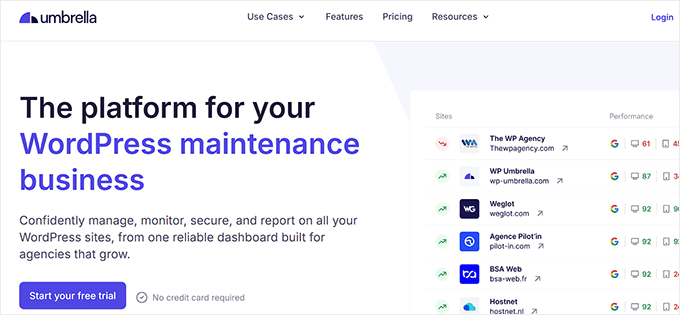
WP Umbrella is a modern WordPress management platform built specifically for agencies and freelancers. It brings updates, backups, security monitoring, client reporting, and website monitoring into one dashboard. This makes it easy to manage dozens or even hundreds of WordPress sites.
Unlike many older management platforms, WP Umbrella focuses on automation and reliability rather than overwhelming you with unnecessary features.
My Experience
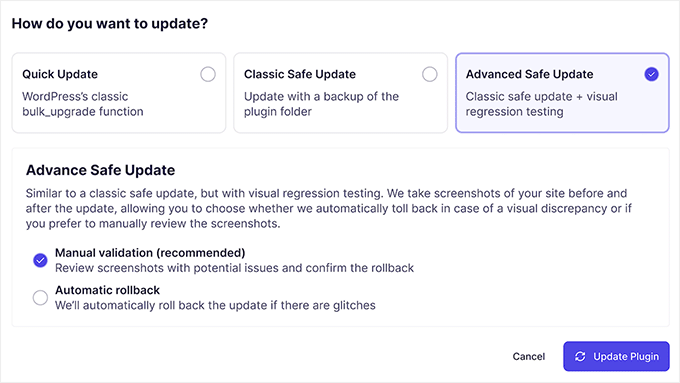
The first feature I tested was Safe Updates, and it quickly became my favorite feature.
Instead of simply updating plugins and themes in bulk, WP Umbrella checks whether an update completed successfully using visual regression testing (which takes before-and-after screenshots to make sure your site’s design didn’t break), cache clearing, and database verification.
If something goes wrong, you’ll immediately know which site needs attention before your clients do.
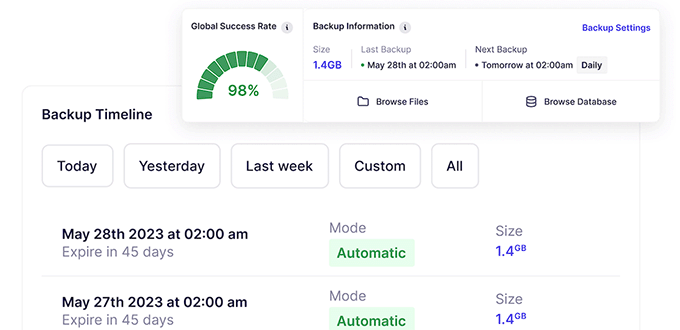
I also liked how much of the routine maintenance can be automated.
You can schedule updates, configure automatic backups, monitor uptime, track SSL certificates, and even receive alerts for domain expirations from one dashboard.
The built-in reporting system is another useful feature.
WP Umbrella automatically creates professional white-label maintenance reports that include updates, backups, monitoring events, and other completed tasks.
This makes it much easier to demonstrate the value of your maintenance services to clients every month.
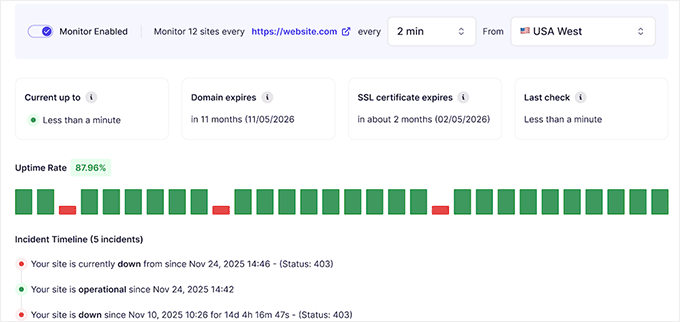
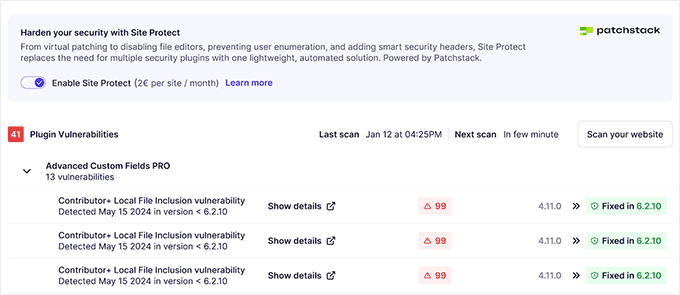
Security monitoring is also well integrated into the platform. Along with malware scanning, WP Umbrella monitors known vulnerabilities through its Patchstack integration.
It even offers virtual patching to reduce security risks while you wait for official updates.
For agencies, the collaboration tools are another plus. Team members can have different permission levels, the platform logs every action, and activity histories make it easy to see who performed each task across all connected websites.
The main thing to weigh is cost. The $2.19 per-site starting price is affordable, but two of the features that make WP Umbrella worth choosing (its Patchstack-powered security monitoring and hourly backups), are paid add-ons on top of that base. Add them across a portfolio and the real per-site cost climbs well above the headline.
There is also no free plan, only a 14-day trial, so for one or two personal sites a free tool may serve you better.
Why I Recommend WP Umbrella: I recommend WP Umbrella if you want to automate WordPress maintenance without sacrificing reliability. Its Safe Updates technology, automated backups, built-in monitoring, and client reporting make it the best all-in-one solution for freelancers and agencies managing multiple websites.
2. WP Remote – Best WordPress Management Tool for Website Security
🔵 Hands-on tested for this review. I tested WP Remote by managing several WordPress websites from one dashboard, with a focus on its security, backup, and recovery tools.

| ✅Pros of WP Remote | ✅ Bulk updates for WordPress core, plugins, and themes ✅ Automatic offsite backups powered by BlogVault ✅ Built-in malware scanning, firewall, and virtual patching ✅ One-click staging site for safely testing updates and changes ✅ Uptime monitoring with instant alerts |
| ❌Cons of WP Remote | ❌ Most advanced security and backup features require a paid plan ❌ The interface can feel overwhelming for beginners because of its extensive security tools |
| Pricing | Free plan available. Paid plans start at $1.99 per site / month. |
| Best For | Freelancers and agencies that want a WordPress management tool with advanced security and backup features. |
WP Remote is an all-in-one WordPress management platform now owned by BlogVault.
It combines website management, backups, security, staging, and client reporting into a single dashboard, making it a great choice for agencies that prioritize website security.
My Experience
Since WP Remote is now owned by BlogVault, I expected its backup and security features to be strong, and they didn’t disappoint.
One feature I kept coming back to was the built-in backup system. Automatic offsite backups ran reliably, and restoring a website was straightforward.
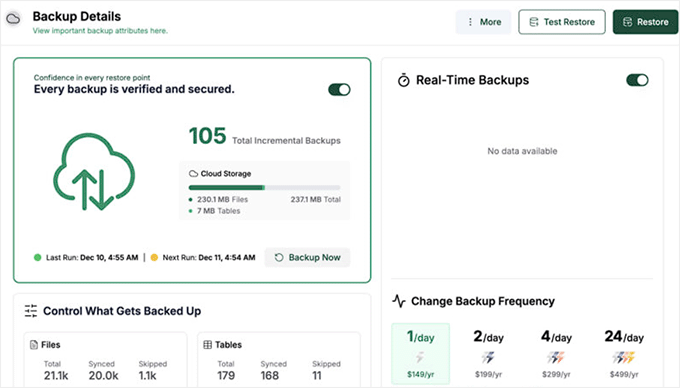
I also liked knowing that the backups are stored independently of my hosting account, which provides an extra layer of protection if a server goes down.
WP Remote’s security toolkit was another strong point. It continuously scans for malware and known vulnerabilities while also offering a built-in firewall and virtual patching.
Instead of relying on separate security plugins, I could monitor everything from the same dashboard where I managed updates and backups.
I also spent time testing the staging feature before installing updates. Being able to create a staging copy, test changes, and then push them live made the update process much less stressful. This can be especially useful if you manage client websites.
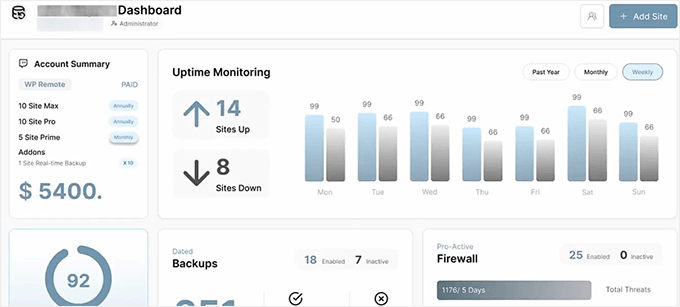
Bulk updates, uptime monitoring, automated client reports, and centralized site management all worked well during my testing.
WP Remote does have trade-offs. Its free plan is limited, and the backup, malware, and firewall tools that are the main reason to choose it sit behind the paid plans.
The interface is also busier than most, because it puts a full security toolkit in front of you, so it can feel overwhelming if you are new to this kind of tool.
Why I Recommend WP Remote: If security is your top priority when managing multiple WordPress websites, I recommend WP Remote. Its BlogVault-powered backups, built-in malware protection, firewall, and staging sites make it an excellent choice for agencies and freelancers responsible for keeping client websites safe.
3. WPVibe – Best AI-Powered Tool for Managing Multiple WordPress Sites
🔵 Hands-on tested for this review. I tested WPVibe by connecting it to ChatGPT and managing WordPress sites with natural language prompts. I also spoke with team members who use it regularly in their own workflow to understand how it performs over time.
| ✅Pros of WPVibe | ✅ Manage WordPress sites using ChatGPT, Claude, and other AI clients ✅ Supports posts, pages, media, plugins, themes, and SEO ✅ Includes 34 built-in WP-CLI commands ✅ Built-in safeguards like draft mode, approval prompts, and audit logs ✅ Works with popular plugins like SeedProd, WPForms, and AIOSEO |
| ❌Cons of WPVibe | ❌ Works best if you’re already comfortable using AI assistants ❌ The free plan includes all features but has a limited daily usage allowance |
| Pricing | Free plan available. Premium plans start at $99/yr. |
| Best For | Developers, agencies, and power users who want to manage WordPress websites with AI. |
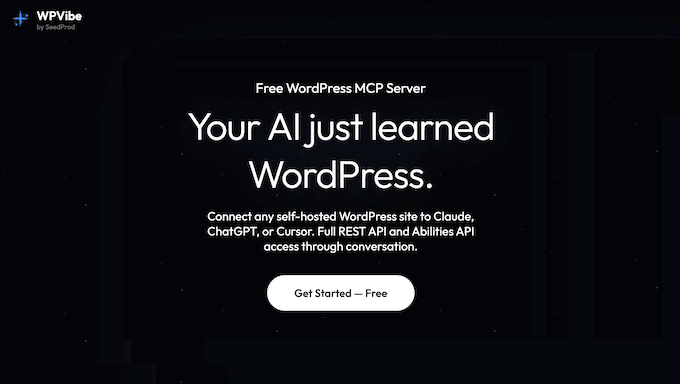
WPVibe takes a completely different approach to WordPress management. Instead of logging into dashboards and clicking through menus, it lets you manage your websites by chatting with AI tools like ChatGPT or Claude through MCP.
Unlike the other tools on this list, WPVibe is not a single dashboard that shows all your sites at once. Instead of a control panel, you manage each connected site through conversation.
You describe what you want in plain English, and WPVibe carries it out through a secure connection to your site. That covers everyday tasks like creating pages, updating plugins, managing media, and troubleshooting.
Besides my own testing, I also spoke with a few team members who use WPVibe in their day-to-day workflow. For more information, take a look at our WPVibe review.
My Experience
Using WPVibe felt less like managing WordPress and more like working alongside an AI assistant.
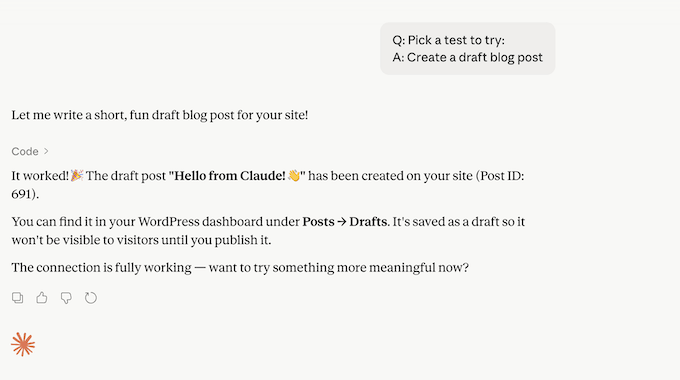
Instead of navigating the WordPress dashboard, I asked Claude to perform common tasks such as creating pages, updating content, checking installed plugins, and reviewing the site’s health.
WPVibe translated those requests into WordPress actions without requiring me to write code or understand complicated developer tools.
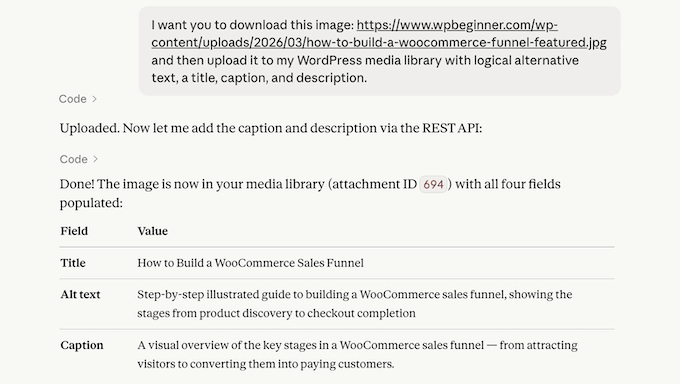
I also liked how much context the AI has access to. It can inspect plugins, themes, media files, SEO settings, WooCommerce data, and even rendered page output before making changes.
This allows it to understand your site instead of blindly following commands.
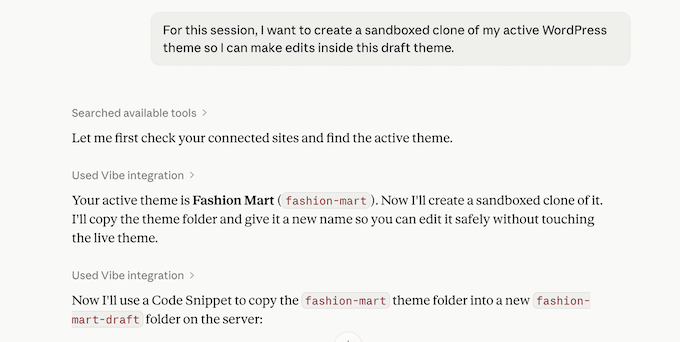
The focus on safety mattered most to me. Potentially risky actions require approval, new content is saved as drafts by default, theme changes happen in an isolated draft environment, and every important action is logged.
These safeguards made me feel much more comfortable giving AI access to a live WordPress website.
WPVibe also remembers how you work. You can save custom workflows and instructions as reusable skills, so the AI follows your preferred process every time you start a new conversation.
Over time, this can save a lot of repetitive work if you manage multiple websites.
That said, WPVibe is not a replacement for a traditional dashboard, and it is not the right fit for everyone. Because you work through conversation instead of a visual control panel, it suits you best if you already use ChatGPT or Claude.
If you would rather see all your sites on one screen, or you do not use AI assistants day to day, the conversational approach takes some getting used to.
Why I Recommend WPVibe: It’s a great choice if you want AI to become part of your WordPress workflow. You can manage websites, create content, troubleshoot issues, and perform routine maintenance simply by chatting with your favorite AI assistant.
4. ManageWP – Best Pay-As-You-Go Platform for Managing Multiple WordPress Sites
🔵 Hands-on tested for this review. I explored ManageWP’s dashboard to manage multiple WordPress websites, including updates, backups, monitoring, reporting, and team collaboration.
| ✅Pros of ManageWP | ✅ Manage unlimited WordPress websites from one dashboard ✅ One-click login to every connected website ✅ Bulk updates for WordPress core, plugins, and themes ✅ Automated backups, uptime monitoring, and client reports ✅ Team collaboration features with secure user access ✅ Generous free plan with optional premium addons |
| ❌Cons of ManageWP | ❌ Most advanced features are only available as paid addons ❌ The interface feels more dated than some newer alternatives |
| Pricing | Free to manage unlimited websites. Premium addons start at $1 per website per month. |
| Best For | Freelancers, agencies, and website owners looking for a reliable and flexible WordPress management platform. |
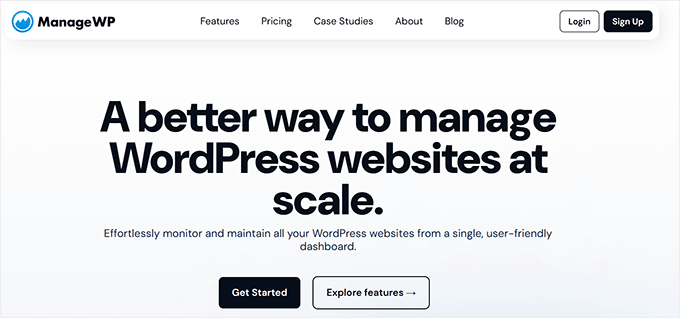
What sets ManageWP apart is how you pay for it. You can connect and manage unlimited websites for free, then add premium features like backups, uptime monitoring, and client reports one at a time, paying only for the individual addons you turn on.
It also happens to be the most recognized name in the category. Now owned by GoDaddy, ManageWP has helped professionals manage millions of websites from one central dashboard for years.
If you want to learn more about its features, check out our ManageWP review.
My Experience
The one-click login quickly became the feature I used most. Instead of opening multiple browser tabs or searching for login credentials, I could jump directly into any connected WordPress dashboard in seconds.
It’s a simple feature, but it saves a surprising amount of time when you’re managing lots of websites.
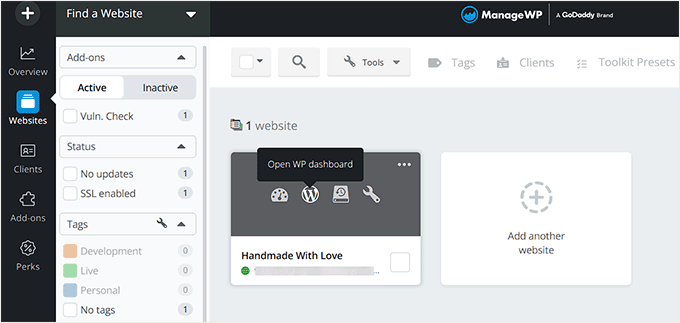
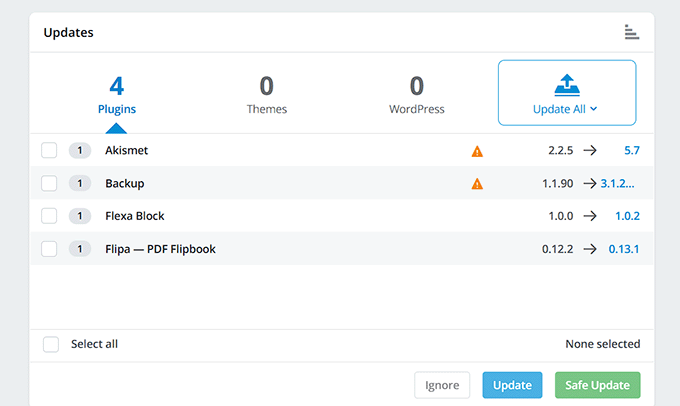
I also spent time testing the bulk management tools. Updating WordPress core, plugins, and themes across several websites was straightforward.
Plus, I appreciated being able to see the status of every site from one screen instead of logging into each website individually.
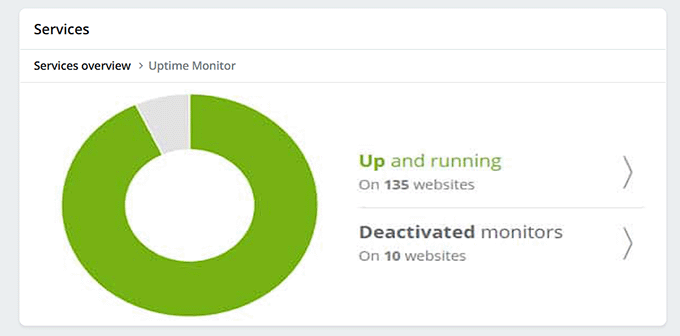
ManageWP also includes several optional premium tools that you can enable as your needs grow. I tested automated backups, uptime monitoring, performance checks, and client reports, and they all worked reliably.
I especially like that you can purchase these features individually instead of paying for an expensive all-in-one plan.
Still, ManageWP is starting to show its age in a few areas. The interface isn’t as modern as newer platforms like WP Umbrella, and ManageWP sells many features as separate premium addons that competitors include in their standard plans.
Plus, if you need several of those addons, the monthly cost can add up over time.
Why I Recommend ManageWP: It is a solid option if you want a proven platform with a long track record. Its free plan, flexible addon pricing, and reliable management tools make it a solid choice for anyone wanting to manage multiple websites without committing to an expensive subscription.
5. InfiniteWP – The Classic Self-Hosted Option
🔵 Hands-on tested for this review. I installed InfiniteWP on my own server to see how well it handled updates, backups, monitoring, and day-to-day management across multiple WordPress websites.
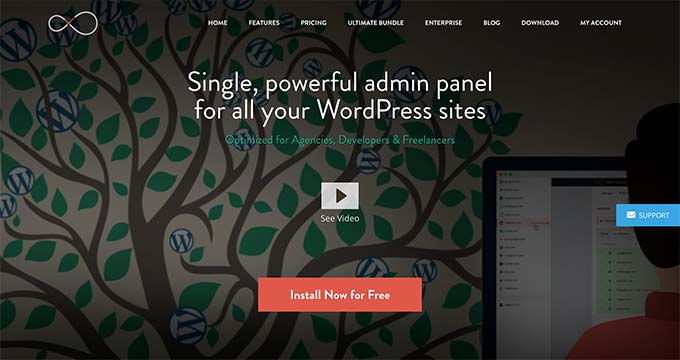
| ✅Pros of InfiniteWP | ✅ Self-hosted dashboard gives you complete control over your data ✅ Free core version with unlimited website management ✅ Bulk updates for WordPress core, plugins, and themes ✅ One-click admin access to connected websites ✅ Great selection of premium addons for expanding functionality |
| ❌Cons of InfiniteWP | ❌ Initial setup takes longer than cloud-based tools ❌ The interface feels outdated compared to newer platforms |
| Pricing | Free core version available. Premium addons and bundles are available starting at $147/yr. |
| Best For | Developers, freelancers, and agencies that want a self-hosted WordPress management solution. |
InfiniteWP is the established classic in self-hosted WordPress management, with around 200,000 active installs. It’s still one of the most widely used tools for running multiple sites from your own server.
Like other self-hosted options, it gives you complete control over your dashboard and website data instead of relying on a third-party cloud service.
What sets it apart is its model. InfiniteWP is a single-vendor platform with its own built-in premium addon modules for backups, uptime monitoring, malware scanning, and client reporting.
You buy only the modules you need and manage them from one integrated suite, rather than plugging a dashboard into a collection of separate plugins.
My Experience
Installing InfiniteWP took a little more work than the SaaS tools on this list, but that’s expected with a self-hosted platform.
Once everything was running, I appreciated having full control over the dashboard without depending on an external service.
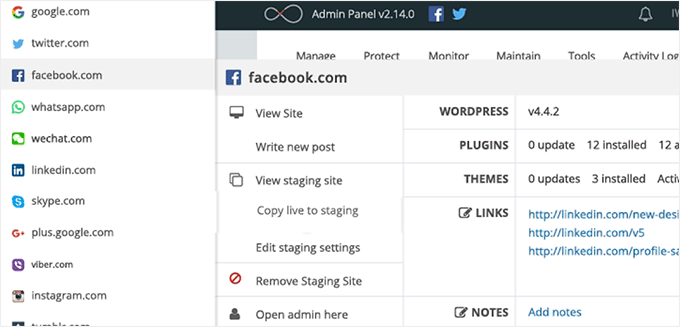
Managing multiple websites felt familiar.
I could update WordPress, plugins, and themes in bulk, jump into any site’s admin area with one click, and monitor all my connected websites from a single dashboard. These everyday tasks were fast and easy to perform.
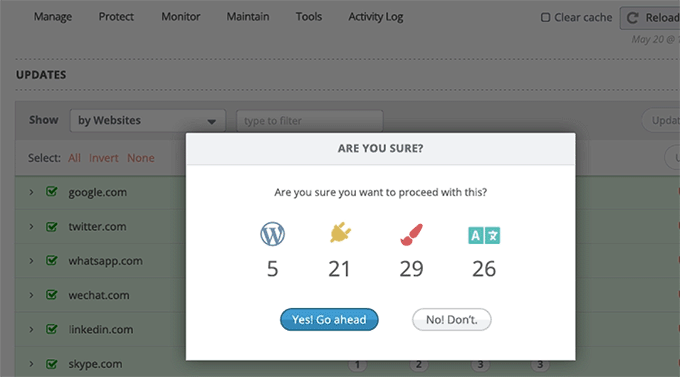
I also explored some of the premium modules, including backups, uptime monitoring, malware scanning, and client reporting.
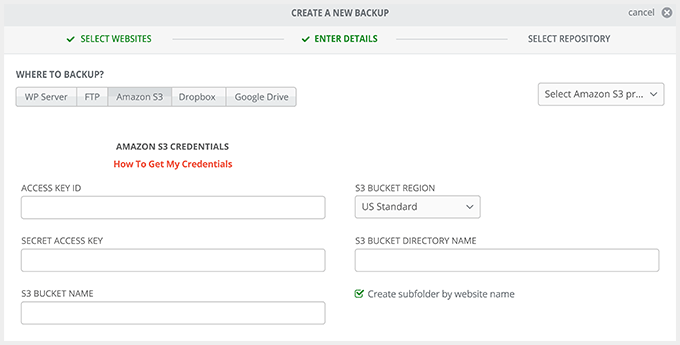
One feature I especially liked was the collection of management tools beyond basic maintenance.
I could publish content across multiple websites, manage users, check broken links, upload files in bulk, and even run code snippets on several sites at once.
That said, all of this flexibility comes with a bit more responsibility. Since you host the dashboard yourself, you’re also responsible for maintaining it. If you’re new to managing multiple WordPress sites, then a cloud-based tool like WP Umbrella or ManageWP may be easier to get started with.
However, if owning your management platform is important to you, that’s a compromise many developers are happy to make.
Why I Recommend InfiniteWP: I recommend InfiniteWP if you want complete control over your WordPress management platform. Its self-hosted approach, generous free version, and wide range of management tools make it an excellent choice for developers, freelancers, and agencies.
6. MainWP – Best Open-Source WordPress Management Tool
🔵 Hands-on tested for this review. I installed MainWP on a separate WordPress website and connected multiple sites to evaluate its management tools, customization options, and day-to-day workflow.
| ✅Pros of MainWP | ✅ Self-hosted and open source for complete data privacy ✅ Manage unlimited WordPress websites from one dashboard ✅ Bulk updates for WordPress core, plugins, and themes ✅ Extensive library of free and premium extensions ✅ Highly customizable with hooks, filters, and CLI support |
| ❌Cons of MainWP | ❌ Setup is more involved than cloud-based management platforms ❌ Some advanced features require premium extensions |
| Pricing | Free version available. MainWP Pro starts at $199/year. |
| Best For | Developers, agencies, and privacy-conscious users who want complete control over their WordPress management platform. |
MainWP is one of the most popular self-hosted WordPress management tools available today. It is the strongest free, open-source alternative to InfiniteWP. Where InfiniteWP relies on its own single-vendor addon modules, MainWP works alongside the plugins you already use.
Since it’s open source, you host the dashboard yourself and maintain full control over your data instead of relying on a third-party service. It’s a great option if you want a flexible platform that you can customize to fit your own workflow.
My Experience
What I liked most about MainWP was how customizable it is.
Rather than locking you into a fixed set of features, MainWP lets you build the dashboard you need. During testing, I connected multiple websites, organized them with tags, customized the dashboard layout, and added only the extensions I wanted.
This made the experience feel much more flexible than many hosted alternatives.
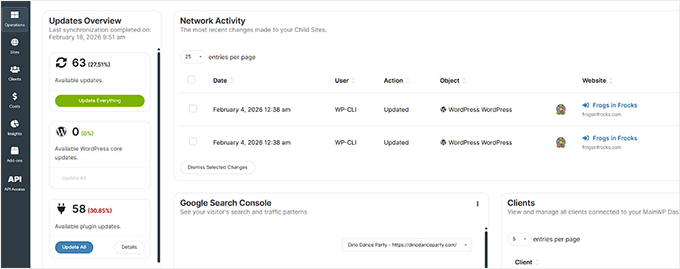
I also liked how well MainWP integrates with your existing WordPress tools.
Instead of replacing your favorite backup or security plugins, it works alongside tools like UpdraftPlus, Wordfence, and Sucuri. That meant I could continue using familiar plugins while managing everything from one dashboard.
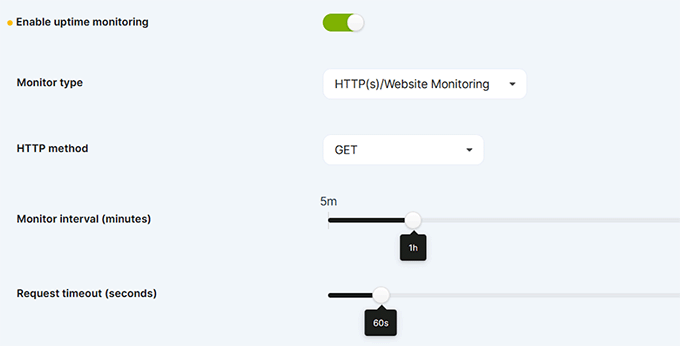
Bulk updates, user management, content publishing, uptime monitoring, and site health checks all worked well during testing.
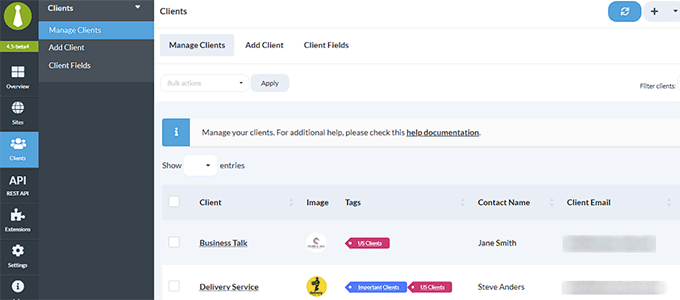
I especially appreciated that I could organize websites by client, making it easier to manage larger portfolios.
For developers, MainWP offers even more flexibility through hooks, filters, custom CSS, browser extensions, and WP-CLI support.
The biggest downside is the initial setup. You need to install the MainWP Dashboard plugin on one WordPress site and the MainWP Child plugin on every website you want to manage. It’s not difficult, but it does take longer than signing up for a cloud-based service.
You’ll also need the Pro plan if you want access to many of the premium extensions.
Why I Recommend MainWP: I recommend MainWP if you want a powerful, self-hosted platform that you can customize completely. Its open-source approach gives you full control over your data, and the extensive extension library lets you build the exact dashboard you need.
7. Jetpack – Best All-in-One WordPress Management Suite
🔵 Extensively tested by the WPBeginner team. We’ve tested Jetpack across multiple WordPress websites for years and revisited its management features while updating this guide. You can also read our complete Jetpack review for more details.
| ✅Pros of Jetpack | ✅ Manage multiple WordPress websites from a single WordPress.com dashboard ✅ Bulk updates for WordPress core, plugins, and themes ✅ Real-time cloud backups with one-click restores ✅ Built-in malware scanning, spam protection, and activity logs ✅ Includes performance tools like CDN, image optimization, and caching |
| ❌Cons of Jetpack | ❌ Requires a WordPress.com account ❌ Premium features can become expensive if you manage many websites |
| Pricing | Free version available. Paid plans start at $9.95 per month (billed annually). |
| Best For | Website owners who already use Jetpack products and want to manage multiple WordPress sites from one place. |
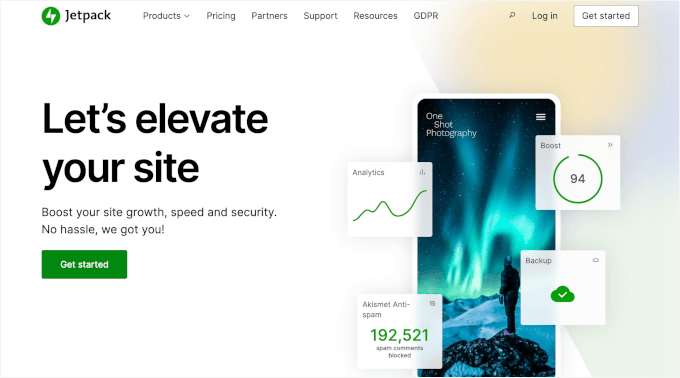
Jetpack is made by Automattic (the team behind WordPress.com) and does much more than manage multiple WordPress websites. Along with centralized site management, it offers backups, security, performance optimization, spam protection, analytics, and other essential tools under one platform.
If you’re already using Jetpack on your websites, its centralized dashboard makes it much easier to keep everything organized.
My Experience
Rather than installing separate plugins for backups, security, performance, and website management, I liked having everything available through one dashboard.
I could install updates, review backups, monitor activity, and check security notifications without logging into each WordPress site individually.
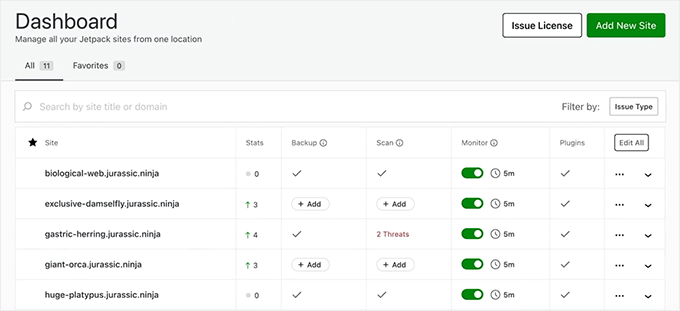
I also found the Activity Log really useful. It records important events like plugin updates, content edits, failed login attempts, and user activity.
When something unexpected happens, it’s much easier to trace what changed and when.
Another advantage is Jetpack’s suite of tools. Features like VaultPress Backup, Jetpack Scan, Akismet Anti-spam, and Jetpack Boost work together, so you don’t have to piece together different plugins from multiple developers.
If you’re already invested in Jetpack, this creates a much smoother website management experience.
However, I found pricing to be its biggest drawback. While the free version covers basic management, many of the advanced features, including real-time backups, malware scanning, and stronger security protections, require paid plans.
Those costs can increase quickly if you’re managing a large portfolio of websites.
Why I Recommend Jetpack: If you want an all-in-one platform that combines WordPress management with backups, security, performance, and growth tools, I recommend Jetpack. It’s especially worthwhile if you’re already using Jetpack’s other tools, since everything works together from a single dashboard.
8. Modular DS – Best WordPress Management Tool for Client Reporting
🔵 Hands-on tested for this review. I used Modular DS to manage multiple WordPress websites, automate maintenance tasks, and generate client reports from a single dashboard.
| ✅Pros of Modular DS | ✅ Modern and intuitive dashboard ✅ Bulk updates for WordPress core, plugins, and themes ✅ Smart Safe Updates with rollback protection ✅ Professional white-label client reports ✅ Team collaboration and role management |
| ❌Cons of Modular DS | ❌ The free plan has limited features ❌ Although it supports English, Modular DS primarily targets the Spanish-speaking WordPress community. This may result in fewer English-language resources |
| Pricing | Free plan available for up to 5 websites. The Freelance plan starts at $16 per month, or you can save up to 17% with annual billing. |
| Best For | Agencies and freelancers that want to automate WordPress maintenance and create professional client reports. |
Modular DS does something the other client-reporting tools on this list don’t: it helps you win a client before you sign them on.
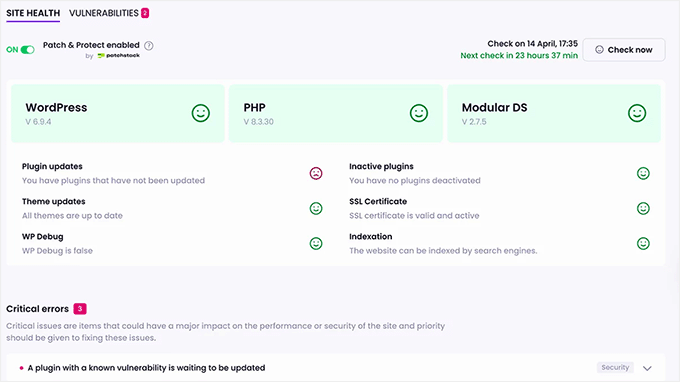
With its pre-maintenance report, you can scan a prospective customer’s website and generate a summary of the issues that need fixing. That gives you something concrete to show in your sales pitch.
Once a prospect becomes a client, the same platform runs the day-to-day work: bulk updates, automated backups, and uptime monitoring from one dashboard.
It then packages that work into professional white-label reports you can send to clients under your own brand.
If you regularly maintain client websites, Modular DS gives you a way to show the value of your maintenance services at every stage, from the first sales call to the monthly report.
My Experience
The dashboard is organized clearly, making it easy to switch between updates, backups, monitoring, and client reports without feeling overwhelmed.
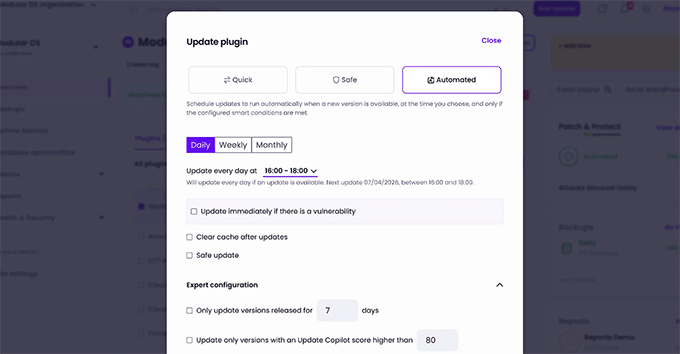
I also liked the platform’s approach to updates. Instead of simply installing them in bulk, Modular DS provides Safe Updates with rollback protection and risk scores.
This helps you make more informed decisions before applying changes across multiple websites.
Client reporting is another area where Modular DS does really well. The platform automatically creates professional white-label reports that summarize completed maintenance tasks, backups, security checks, uptime, and even performance data.
It also integrates with tools like Google Analytics, Google Search Console, WooCommerce, and Google PageSpeed, allowing you to include meaningful metrics that help clients see the value of your work.
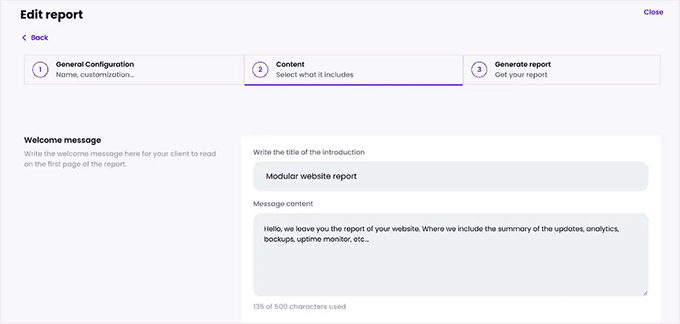
Beyond reporting, I found it easy to automate routine maintenance. Scheduled backups, uptime monitoring, vulnerability alerts, database optimization, and bulk plugin management all worked well.
Agencies will also appreciate the pre-maintenance report, which lets you scan a prospect’s site and show the issues worth fixing before they sign.
However, Modular DS is still newer than some of the other tools on this list.
This means that while it offers a wide feature set, its add-ons and third-party integrations aren’t as extensive. Plus, some advanced security capabilities also require additional paid addons.
Why I Recommend Modular DS: I recommend Modular DS if you run a WordPress maintenance business or want to grow one. Its automation features, professional white-label reports, and client-focused tools make it easy to manage multiple WordPress websites.
Which Is the Best Tool to Manage Multiple WordPress Sites?
If you’re looking for the best all-around tool, then WP Umbrella is my top recommendation. It combines safe updates, automated backups, security monitoring, uptime tracking, and client reporting in a modern dashboard. It’s an excellent choice for freelancers, agencies, and anyone managing multiple client websites.
If security is your biggest priority, then WP Remote is a great alternative. Its BlogVault-powered backups, malware scanning, firewall, and staging features keep your websites protected while simplifying day-to-day maintenance.
For users who prefer a self-hosted solution, I recommend MainWP. Since it’s open source, you keep complete control over your data while managing unlimited WordPress websites from your own dashboard.
Finally, if you want to use AI to speed up your workflow, then WPVibe stands out from the competition. It lets you manage WordPress websites using natural language through ChatGPT or Claude, making routine tasks much faster.
Frequently Asked Questions About Managing Multiple Websites
Can I manage multiple independent WordPress sites from one dashboard?
Yes, you can. WordPress management tools like WP Umbrella, MainWP, and ManageWP let you connect multiple independent WordPress websites to a single dashboard.
This allows you to update plugins, create backups, monitor security, and perform other maintenance tasks without logging in to each site individually.
What is the best tool for managing multiple WordPress websites from a single dashboard?
The best tool depends on your needs. I recommend WP Umbrella for most users because it offers safe updates, automated backups, security monitoring, and client reporting in one platform. If you prefer a self-hosted solution, then MainWP is an excellent alternative.
How can you manage multiple WordPress websites efficiently?
The easiest way is to use a dedicated WordPress management tool. These platforms let you automate routine tasks like updates, backups, uptime monitoring, and security checks, saving time and reducing the risk of missing important maintenance.
Do I need a separate management tool if my web host already handles site management?
Maybe not. If all of your websites live on a single managed WordPress host, then your hosting dashboard may already handle the basics like automatic updates, staging, and backups. In that case, a separate paid management tool can be more than you need.
A dedicated tool earns its place once your sites are spread across multiple hosts, or when you want features your host does not offer. That includes safe updates with visual regression testing, white-label client reports, and uptime monitoring for every site from one place.
What’s the difference between managing multiple WordPress sites and using a WordPress multisite network?
Managing multiple WordPress sites means each website has its own separate installation, but you control them from one dashboard using a management tool. Think of it like a property manager looking after completely separate houses all over town.
A WordPress multisite network, on the other hand, runs multiple websites from a single WordPress installation, which has different setup requirements and limitations. This is more like an apartment building where sites share the same foundation (server and database).
Can I manage multiple WordPress sites without using WordPress Multisite?
Yes. In fact, most website owners and agencies manage completely separate WordPress installations using tools like WP Umbrella, MainWP, or WPVibe.
This gives you more flexibility because each website remains independent while still being managed from one dashboard.
Can I manage multiple WooCommerce stores with these WordPress management tools?
Yes. Most of the tools in this guide support WooCommerce websites. You can update plugins, create backups, monitor uptime, and perform other maintenance tasks just as you would for a regular WordPress website.
Some tools also include WooCommerce-specific reporting and integrations.
How secure are WordPress management tools?
Most reputable management tools are built with security in mind, but the biggest thing to watch is the dashboard itself. It holds admin-level access to every site you connect, so if that one account is breached, then all of your connected sites are at risk.
That is why securing the manager account matters most: use a strong, unique password, turn on two-factor authentication for the dashboard, and control which team members can access it. Beyond that, choose a trusted provider and keep the tool updated. Built-in protections like malware scanning, backups, and activity logs only help once that central account is locked down.
More Guides for WordPress Site Management and Maintenance
Here are some additional guides that can help you save time and keep your sites in top shape:
- How to Share Users and Logins Between Multiple WordPress Sites
- How to Host Multiple Websites on One Server (Beginner’s Guide)
- WordPress Maintenance – Ultimate Guide for Beginners
- How to Connect Multiple WordPress Sites Together (3 Ways)
- Plugins to Efficiently Manage WordPress Multi-Author Blogs
- Why Is WordPress So Hard (And How to Make It Easier)
- Should You Network Activate All Plugins on WordPress Multisite
If you liked this article, then please subscribe to our YouTube Channel for WordPress video tutorials. You can also find us on Twitter and Facebook.



Jorge
Is it better to manage all client sites on a different domain from where my agency’s WordPress is installed? On another website installed in a subfolder of my agency’s main domain? Or on the same website as my agency?
I have 5 customers.
Thanks!
WPBeginner Support
There is no best answer for everyone, it would be a question of what you feel works best for you.
Admin
kzain
This is exactly what I’ve been looking for! Managing multiple WordPress sites can feel like a juggling act. The breakdown of different management tools, from free options like Jetpack to comprehensive solutions like ManageWP, is helpful. I especially appreciate the tip about developing a system for backups and updates. That feels key to staying organized and avoiding website headaches
Dennis Muthomi
Thanks for this comprehensive comparison!
Am managing 4 WordPress sites individually, I’ve been looking for a way to streamline my workflow. This article couldn’t have come at a better time
I’ll chose InfiniteWP based on your recommendation
THankyouuu!
WPBeginner Support
You’re welcome!
Admin
Moinuddin Waheed
This is a must have tool for me as I am managing many websites of clients and becomes very difficult to track on individual websites.
I will see to it which of these tools mentioned I can use for managing all my wordpress websites from single dashboard.
Thanks for these must have useful tools comparison.
Ralph
I would love to manage my 2 websites with Jetpack as I already use it but websites are on different hostings. Does it matter or does it only work if both sites on the same hosting?
WPBeginner Support
The sites can be on different hostings and it would still work
Admin
Jiří Vaněk
Thank you for the comparison. Currently, I manage a total of 7 WordPress websites individually and I want to start using one of these tools to make my work a bit easier. Thanks for the tips.
WPBeginner Support
You’re welcome, glad we could share some helpful tools
Admin
Tam
What a timely blog post. It has been an absolute pain to log into every site I manage and do updates. Because of all of this hassle I have put aside new projects and have sites that I haven’t done anything with. I will most certainly check this out. You have just made my life easier and possibly more prosperous because I will start working on those sites now.
WPBeginner Support
Glad we could help make managing multiple sites easier for you!
Admin
Steve
Is there any that allows you to create a page and replicate across multiple sites, while publishing live? For example like shipping policy page that applies to multiple sites.
Thanks!
WPBeginner Support
We do not have a recommended method for that at the moment, you could use WordPress’ import/export feature to import and export that specific page for each of your sites for one method at the moment.
Admin
Tom
Hi,
Great site! What do you recommend for a company that wants to duplicate it’s entire site for other sales organizations giving them the ability to add their own logo and contact info BUT when they update the main site all the ones they gave a site to will also update.
Thanks!!
Tom
WPBeginner Support
Unless I hear otherwise, we don’t have a specific method we would recommend for setting that up. Having that duplicate content on the other sites could also affect your site’s SEO if it is a verbatim copy
Admin
Sid Mehta
i have used infinite wordpress in the past but not any other form this website menu. thanks for the blog.
WPBeginner Support
Thanks for letting us know which you’ve used
Admin
ivan
i am a beginner. i have used your coupon to purchase a site at SiteGround in the hope you will help me build the dream website, etc. and would like to get started?
WPBeginner Support
For our setup service, you would want to fill out the form on our setup page here: https://www.wpbeginner.com/free-wordpress-blog-setup/
Admin
Bhasker Raj
Syed
Thanks for the guide to maintain multiple WP sites and the tools mentioned.
Will try these tools.
Bhasker Raj
Bangalore
WPBeginner Support
Glad our article could be helpful
Admin
The Modern Entrepreneur
InfiniteWP is one of our secret weapons. It is an awesome tool!
Editorial Staff
Glad you like InfiniteWP. We think it’s pretty powerful as well
Admin
Helen McLean
Thanks for this review of the various options for managing multiple websites. My only experience is with ManageWP, first as a standalone company, and now owned by GoDaddy. ManageWP is a resource I could not live without, since I handle dozens of sites. Migration and cloning is easy and invaluable. I’ve moved many websites from one host to another, and cloned them for test sites – so easy. The ManageWP crew have been helpful on the few occasions I’ve need support. Mostly it just works, and works well.
Editorial Staff
Thanks for sharing your experience with us Helen
Admin
Michael
Thanks for that useful article. You provided the information and also the solution.
WPBeginner Support
Glad we could be helpful
Admin
Connie
You did not mention Updraft Central which is a feature of Updraft Plus.
You install it as a Wordpress plugin and connect all your websites where you have Updraft Plus installed.
Very strong, secure and user friendly, I can only recommend it!
WPBeginner Support
Thanks for your recommendation to include in the article
Admin