


Want to show your Flickr photos on your WordPress site?
WordPress has a built-in Flickr block for simple embeds, while the free Photonic plugin gives you more control over galleries, albums, layouts, and private photos.
In this guide, we’ll show you both methods so you can choose the right one based on how you want to display your Flickr photos.

Here’s a quick overview of what we’ll cover in this guide.
Method 1: Add Flickr Photos or Albums Without a Plugin
WordPress comes built-in with a Flickr block so if you only need to display a public Flickr media file, then you can simply use the block.
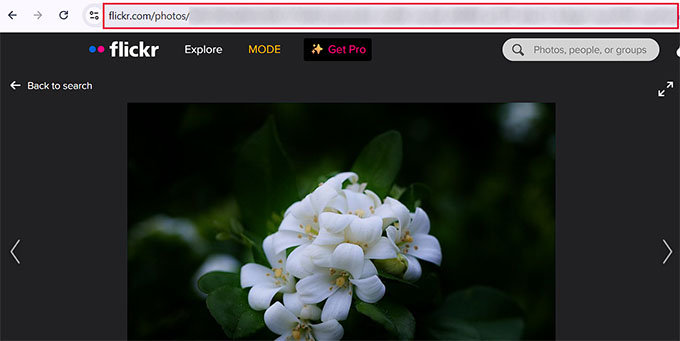
Start by opening the Flickr photo, album, gallery, or video page you want to embed. Then copy its URL from your browser’s address bar.
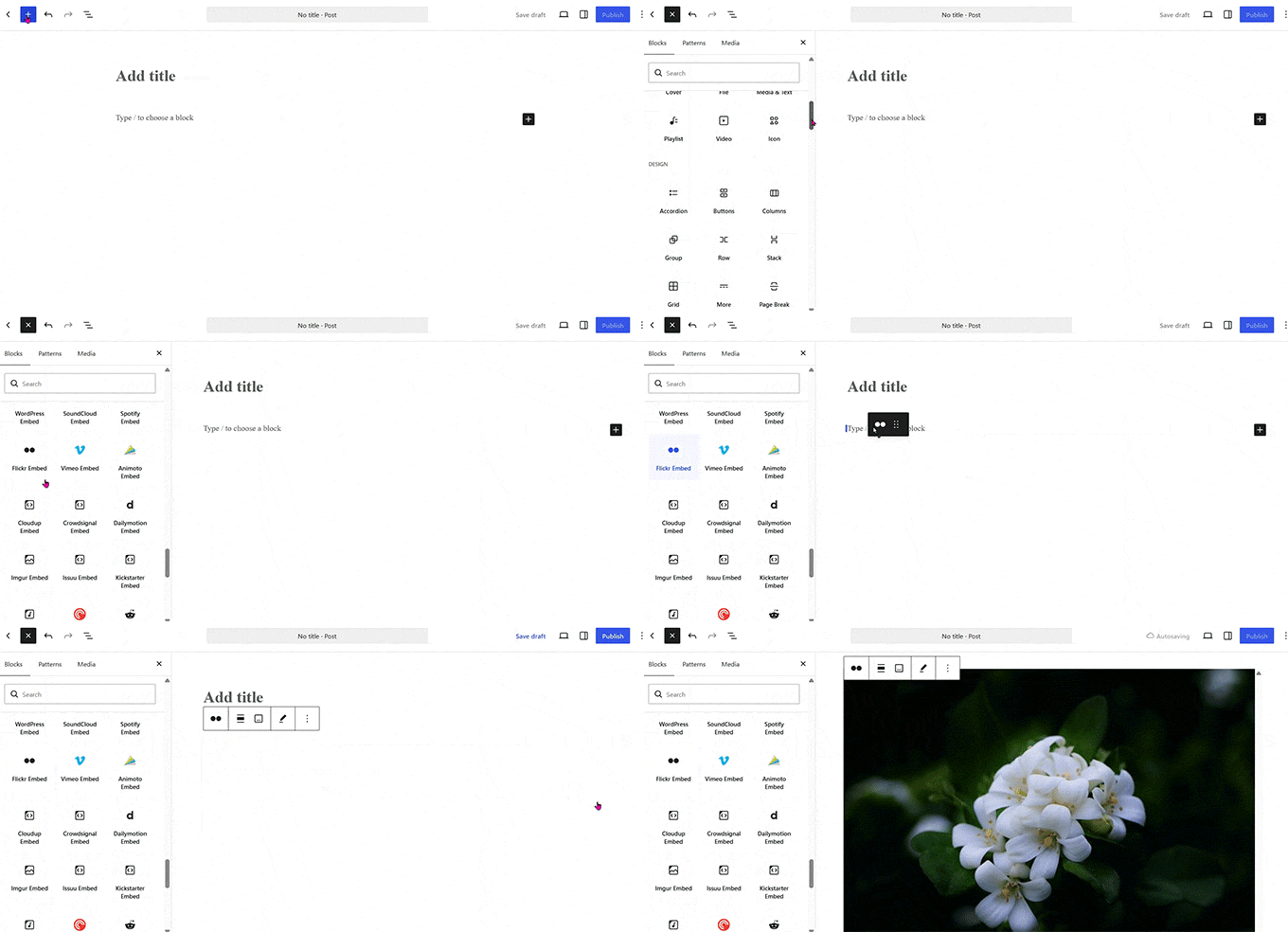
Now go to your WordPress post or page where you want to add the media file. Click the + icon, search for ‘Flickr,’ and add the block.
Paste the URL into the block and click ‘Embed.’ WordPress pulls in the photo or album directly from Flickr.
Just keep in mind that this method has three key limitations.
- You can only display public Flickr content.
- When someone clicks on the file, they’ll be redirected to Flickr.
- An embedded album shows one photo at a time with arrows to click through, instead of the grid layout you’d get from a gallery plugin.
Method 2: Add Flickr Photos or Albums With a Plugin
If you want WordPress to automatically pull in new photos from your Flickr account and display them as a gallery or photostream, then use the Photonic plugin.
Photonic connects to Flickr through its API, so your WordPress gallery can display photos directly from your Flickr account. However, Flickr now requires a Pro plan to create an API key, which costs $11 per month or $82 per year.
Photonic supports both the block and classic editors, as well as Flickr albums (called photosets), galleries, and collections. You can also connect your Flickr account to display private and protected photos.
Step 1: Install Photonic and Connect It to Your Flickr Account
To automatically display your Flickr photos in WordPress, start by connecting the Photonic plugin to your Flickr account.
Install and activate the free Photonic plugin. For help, see our tutorial on how to install a WordPress plugin.
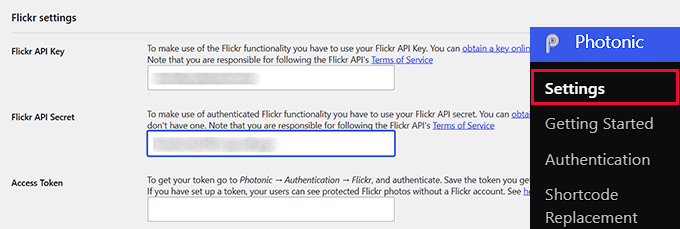
Upon activation, go to Photonic » Settings » Flickr and click the ‘Flickr settings’ link.
To connect the plugin, you’ll need a Flickr API key and secret, so upgrade to Flickr Pro first if you haven’t already.
Then open Flickr’s App Garden in a new tab and request a key.
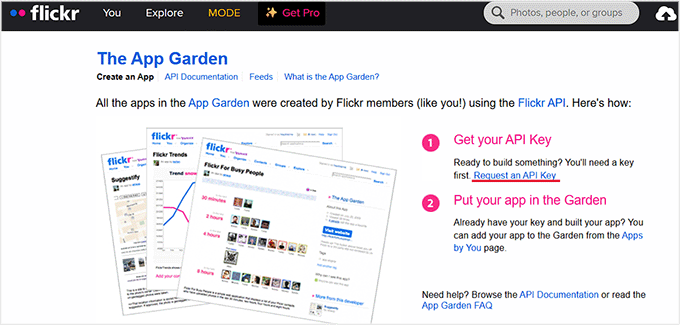
Flickr will ask you to log in, choose whether the app is for commercial or non-commercial use, and name the app. Then it issues your key and secret.
Copy and paste them into their dedicated fields in WordPress and save it.
From there, go to Photonic » Authentication and click ‘Login and get Access Token from Flickr.’
Sign in with your Flickr account, and once Flickr shows you what Photonic can access, click ‘OK, I’ll authorize it.’
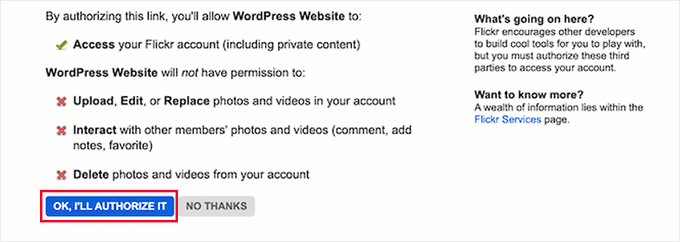
WordPress brings you back with an Access Token and Access Token Secret already filled in, so click ‘Save Token’ to finish.
Step 2: Customize Your Flickr Widget Settings
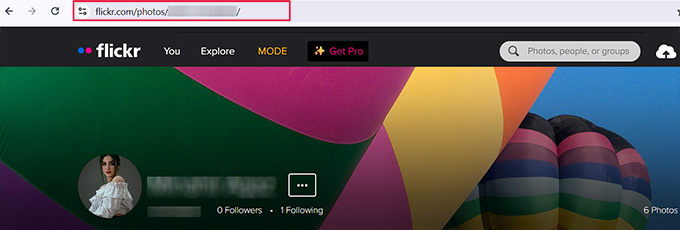
Before adding your gallery, set the Flickr account you want Photonic to use by default in Photonic » Settings » Flickr.
Copy your profile URL from Flickr. It looks like flickr.com/photos/yourusername/.
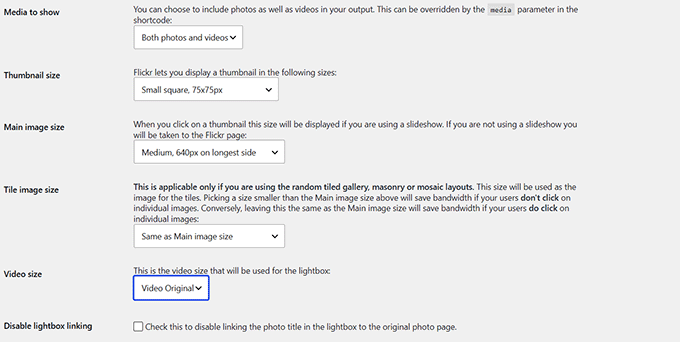
Then, open the ‘Media to show’ dropdown to choose photos only, videos only, or both.
Choose the thumbnail size for your gallery and the main image size that visitors will see when they click a photo.
If you plan to show videos, set a video lightbox size as well, then save your changes.
Step 3: Embed the Automated Flickr Gallery Block
The steps for adding the Photonic Gallery block are slightly different depending on whether you’re using a classic or block WordPress theme.
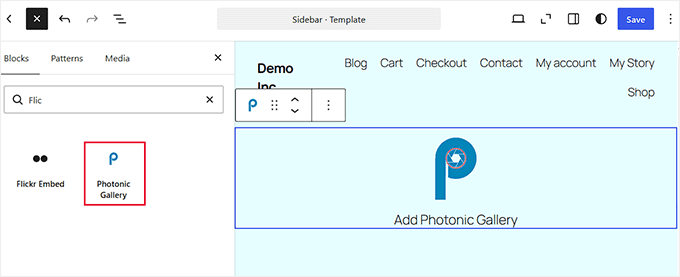
If you’re using a block theme, go to Appearance » Editor, open the template part for your sidebar or footer, and add the Photonic Gallery block there.
If you’re using a classic theme, go to Appearance » Widgets and add the Photonic Gallery block to your sidebar or footer widget area.
Once you’ve added the block, click ‘Add Photonic Gallery’ to launch the setup wizard.
In the wizard, choose ‘Flickr’ as your source and select whether you want to show a single photo, multiple photos, or an entire album, gallery, or collection.
Then, select whose Flickr account to pull from.
If you choose ‘Current user,’ Photonic uses the default Flickr account you already set up. Choose ‘Another user’ if you want to display photos from a different Flickr account, or ‘Group’ to pull photos from a Flickr group.
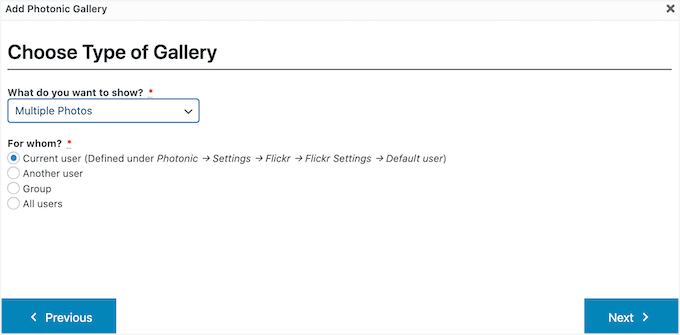
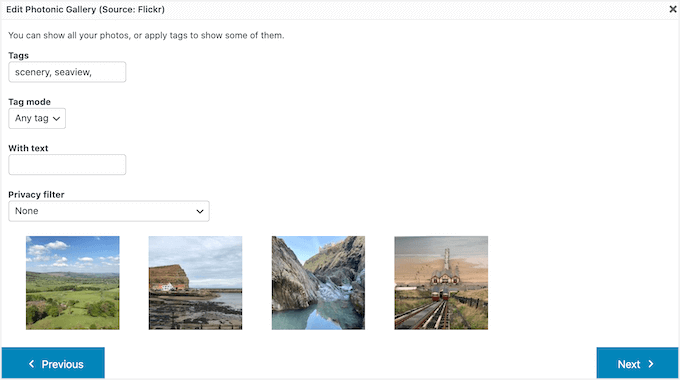
Click ‘Next’ to preview the images Photonic found.
If you only want to show photos with specific tags, add the tags in the Tags field and choose whether the photos should match any or all of them.
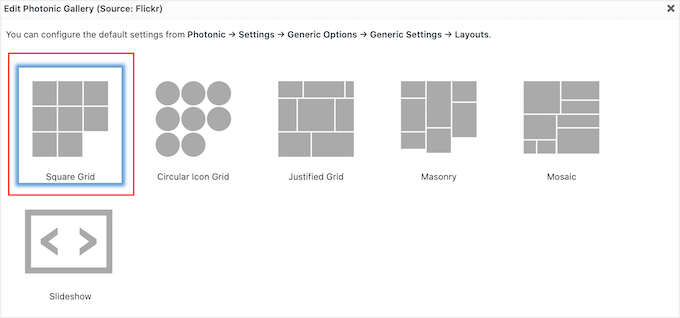
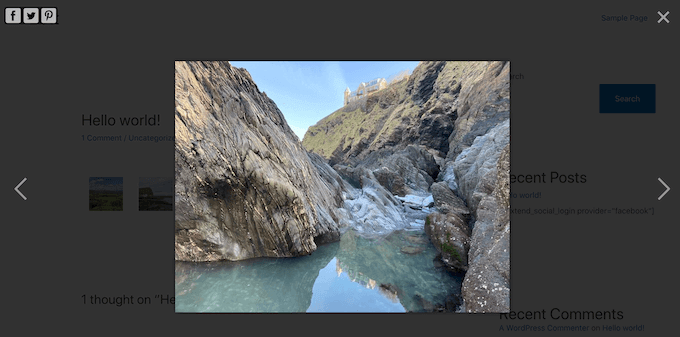
Next, choose a layout, such as a square, circular, masonry, tiled mosaics. You can also enable a lightbox so visitors can click any photo to view it in a larger, distraction-free view.
Adjust settings for that layout, such as the number of columns.
Click the ‘Next’ button, then use WordPress’s ‘Preview’ feature to see how the Flickr gallery will look on your site before publishing.
Once you’re happy with the preview, you can now update or publish your changes.
Visit your website to see the Flickr gallery in action. Clicking on thumbnails will open them in lightbox popup.
Flickr Widget FAQs
Can I display photos from a private Flickr account?
Not with the built-in Flickr block, which only embeds public content. With the Photonic plugin, yes. Once you complete the Flickr authentication in Photonic’s settings, it shows your private and friends-and-family photos to every visitor.
Will adding a Flickr widget slow down my website?
It won’t make your pages load faster, but it does save your own hosting’s bandwidth, since Flickr’s servers deliver the images instead of yours. A caching plugin and lazy loading still help the rest of your page, but they don’t apply to a gallery that Flickr streams in.
Why does my embed say “Sorry, this content could not be embedded”?
This usually means you haven’t set the photo or album to public, so double check its privacy setting on Flickr.
It can also happen if you pasted a shortened or cropped link instead of the full Flickr page URL. Copy the address directly from your browser’s address bar and try again.
We hope this article helped you learn how to add a Flickr widget in WordPress. You may also want to see our tutorial on creating a photo gallery with albums in WordPress and our image SEO guide.
If you liked this article, then please subscribe to our YouTube Channel for WordPress video tutorials. You can also find us on Twitter and Facebook.





Jasper Frumau
This Quick Flickr Widget plugin has not been updated in ages and no longer works properly.
aman
Quick Flickr Widget don’t work! show the erro on the page SSL is required