Do you want to delete your WordPress blog? While blogging is fun, sometimes you may just want to get rid of it all. Recently one of our users asked us if it was possible to delete their WordPress blog. In this article, we will walk… Read More »
Here’s something most WordPress users don’t realize: the features you use every day probably started as suggestions from people just like you. 💡 That block editor? User feedback. The automatic updates? Community input. Even small interface improvements often come from real users sharing their experiences… Read More »
Ever clicked an old link to one of your own posts and landed on a 404 error page? That usually happens because the URL changed, but a proper redirect wasn’t set up. Fixing it takes a couple of minutes, and it doesn’t involve any code.… Read More »
Sticky posts in WordPress are a hidden gem. And adding one requires just a simple trick with powerful results. When used strategically, sticky posts can keep important content at the top of your blog. This ensures your key messages always get noticed and helps boost… Read More »
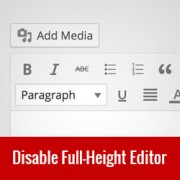
Did you notice the scroll bar in your WordPress editor is missing? Recently one of our users asked if it was possible to disable the full-height post editor in WordPress and bring back the scroll bar. In this article, we will show you how to… Read More »
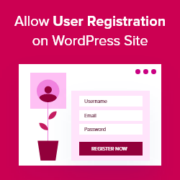
Proper user registration is the foundation of building an engaged online community with WordPress. It’s something we learned early on while growing WPBeginner into the largest WordPress resource site today. Along the way, we’ve seen websites evolve from simple blogs into vibrant communities, all by setting… Read More »
WordPress has a few default date and time formats that you can choose from. If you are not happy with these options, then you can also create a custom format for your website. Whether you are running a blog, a business site, or an online… Read More »
At WPBeginner, we moderate dozens of WordPress comments every day. One thing we’ve learned is that a well-managed comment section doesn’t just spark conversations – it protects your site, boosts trust, and keeps readers coming back. But getting everything set up the right way can… Read More »
When you’re launching a new website, every decision feels huge. We remember staring at the screen wondering if we should use ‘www’ in our domain, worried that the wrong choice could hurt our SEO from day one. After building and growing many successful websites here… Read More »
Sometimes, you need to share a WordPress page without making it public. Maybe you’re working on a draft that isn’t ready yet, or you want to give a client or subscriber exclusive access. The challenge is finding a way to keep that content private while… Read More »
Used to store interaction and conversion data for campaigns in conjunction with Revenue Attribution.
1 year
_gat_omTracker*
Set, controlled and used by Google Analytics to collect and store data and then send that data to Google Analytics. OptinMonster provides the name if there is no existing tracker found on that page.
-
omCountdown-{id}-{elementId}
Used for countdown elements {elementId} in campaigns {id} to determine when it should complete.
-
om-{id}-closed / omSlideClosed-{id}
Used specifically with slide-in campaigns {id} to determine if it has been closed or not by a visitor.
30 days
om-success-cookie / omSuccessCookie
Used to determine if a visitor has successfully opted in to any campaign on your site to unlock content when using our Content Locking feature.
365 days
om-success-{id} / omSuccess-{id}
Used to determine if a visitor has successfully opted in to a campaign with the ID of {id} on your site.
365 days
omSeen-{id}
Used to determine if a visitor has been shown a campaign by the slug.
30 days
om-{id}
Used to determine if a visitor has interacted with a campaign ID of {id} on your site.
30 days
_omappvs
Used to determine when a new visitor becomes a returning visitor.