


I built my first website nearly 20 years ago. Back then, we did not have many WordPress hosting options to choose from. You picked one of a few names and hoped it stayed online.
Today the opposite is true. There are hundreds of hosts, and every one claims to be the fastest WordPress hosting on the market. That flood of choices makes picking a host harder.
So I tested them all. This guide shares what I found, with every result on the page. You can check my work, not just take my word for it.
Quick Pick: The Best WordPress Hosting
Short on time? Here are my seven picks from the latest round of testing. Speed is one part of the story, so scroll down to read the full review for the host that fits your needs.
| Host | Best For | Starting Price | LCP | Page Load | WPBeginner Score |
|---|---|---|---|---|---|
 | Best overall | $2.69/mo | 659 ms | 1.1 s | 88 / 100 |
 | Best for small businesses | $1.38/mo | 417 ms | 866 ms | 88 / 100 |
 | Best managed | $29/mo | 358 ms 👑 | 481 ms | 84 / 100 |
 | Best for support | $2.99/mo | 608 ms | 1.1 s | 75 / 100 |
 | Best VPS | $14.95/mo | 980 ms | 981 ms | 73 / 100 |
 | Best for beginners | $2.99/mo | 933 ms | 933 ms | 69 / 100 |
 | Budget alternative | $1.99/mo | 986 ms | 1.5 s | 64 / 100 |
The picks are ordered by their WPBeginner Score, which comes from my own performance tests. You can see the full scoring methodology below.
1. Hostinger – Best Overall WordPress Hosting
Read my full Hostinger review · Hostinger coupon · See full test data
I recommend Hostinger to most people who ask me where to host their website. I host my own personal and hobby sites on it, and it has stayed reliable over the years.
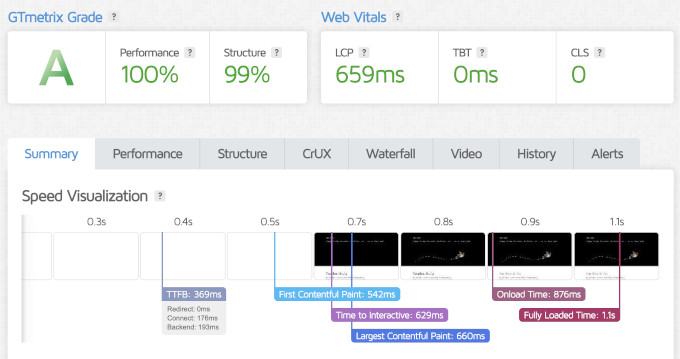
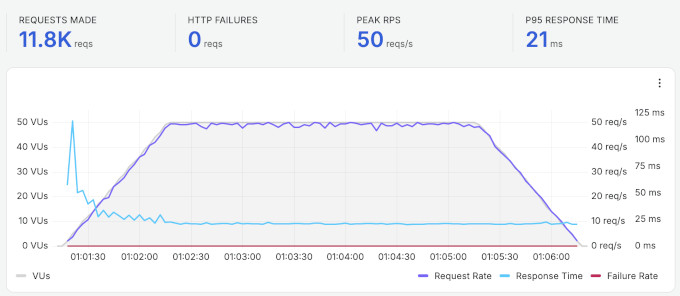
In my speed tests, the main content loaded in 659 ms, and the full page finished at 1.1 seconds. In the load test with 50 users at once, the server held a 21 ms response with no failed requests. That is strong for a plan that starts at $2.69 per month.
Their lowest plan allows for up to 3 websites, 20 GB of storage, one free domain, a free CDN, email accounts, AI tools, and 24/7 chat support. This is quite generous compared to other similarly priced options in our list. I also like that Hostinger include a lot of extra tools even on the starter plan, not locked behind an upgrade.
There are certain trade-offs that you should know, though. The $2.69 price needs a longer plan upfront, and it renews at $10.99 per month. They also don’t offer phone support.
However, none of the above mentioned trade-offs change my pick. Considering the performance and value per dollar, Hostinger is still the strongest starting point I have tested.
Often hosting providers cap the number of files your account can hold, and that cap is usually the first thing small businesses hit, which forces them to upgrade.
Hostinger’s limits are unusually generous, with 400,000 files on the Premium plan and up to 2 million on its entry cloud plan, so a media-heavy site can stay on a cheap hosting plan for years.
They offer daily backups in the Premium tier, and one-click object caching starts only on the Business plan, which are nice to have upgrades depending on your use-case.
Pros
- Fast speed in our test: 659 ms LCP and a 21 ms response under load
- Low entry price with 3 sites, 20 GB storage, CDN, and free email
- AI tools and a drag-and-drop builder included
- 24/7 support over chat
Cons
- The lowest price needs a longer, multi-year plan
- Renews higher at $10.99 per month
- No phone support
Hostinger Performance Test Results
Performance summary: LCP 659 ms · Full page load 1.1 s · Under load 21 ms · Global 227 ms · Uptime 100%
Speed test:
My speed test for Hostinger showed a faster page load time with a 660 ms LCP.
Global response time:
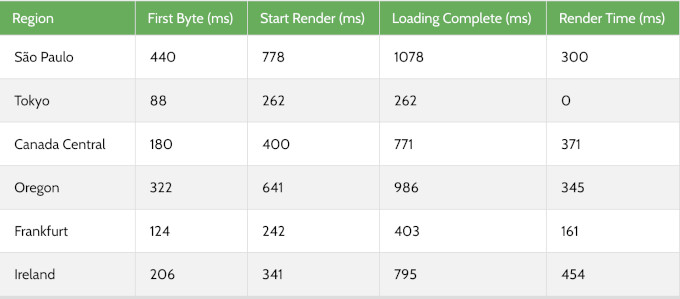
Response times remained good across multiple locations but were slowest in South America (440 ms TTFB).
Stress test:
Stress test result showed LiteSpeed Cache kicking in immediately with a P95 response time of 21 ms.
Uptime monitoring:
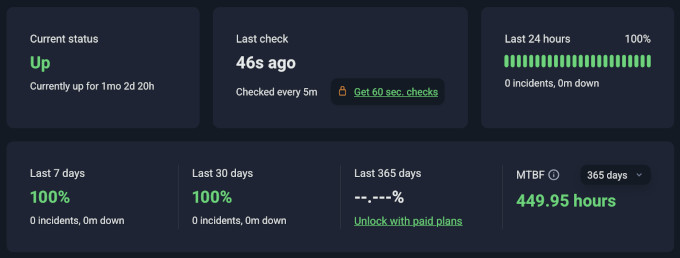
Our test site didn’t record any downtime during the monitoring period.
My verdict: Even though Hostinger is not the fastest host I tested, it offers the best combination of sites allowed, speed, and value. I have found their platform incredibly easy to use, live chat support is fast and most of the time their AI assistant quickly answers common questions. That is what makes it my #1 pick. If you want the best overall value, check out Hostinger.
2. WordPress.com – Best for Small Businesses
Read my full WordPress.com review · WordPress.com coupon · See full test data
WordPress.com is the easiest way to run a WordPress site without managing anything yourself. I think it is a great fit for small businesses, personal websites, and blogs.
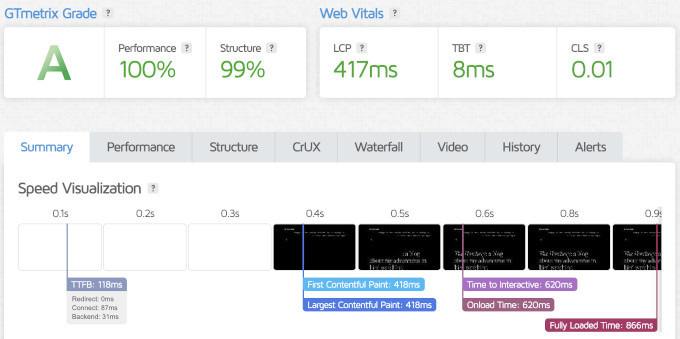
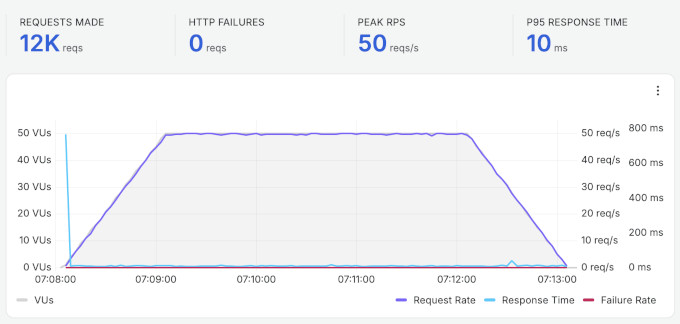
Their servers were very fast in my tests, with a 417 ms LCP, and a 10 ms response under load. That was the best result of any host on this list for handling a traffic spike. WordPress.com ties for the top score on my list, and it earns that on performance alone.
The Personal plan starts at $1.38 per month and now includes WordPress plugins, which used to need a paid upgrade. You also get a free domain for a year.
So why is it #2 when it is cheaper and faster than Hostinger?
The price is per website. The Personal plan covers one site, while Hostinger gives you three sites and a lot more storage for a similar spend. The $1.38 rate also needs a three-year commitment, although even that total cost is less than what many hosts charge for a single year.
WordPress.com wins on raw speed, Hostinger wins on value per dollar. On my scorecard, that is a tie.
The biggest thing I’d look out for, though, is storage. The personal plan gives you 6 GB only, which isn’t a lot when your website starts growing.
The real advantage of WordPress.com lies in the platform infrastructure. Your site runs on WordPress.com’s own network, with a CDN across 28+ data centers, and it can burst to more than 100 PHP workers when a post suddenly takes off and you get a lot of traffic at once.
They also offer unmetered traffic on every plan, so a viral post or busy sale event does not trigger an overage fee or a forced upgrade, and every site is copied in real time to a second data center in another region. That is why it handled my stress test better than any other host on this list.
Pros
- Best result under load of any host: 10 ms response
- Cheapest entry at $1.38 per month, with a free domain
- WordPress plugins now included on the Personal plan
- Fully managed, so there is nothing to maintain
Cons
- Personal plan has 6 GB and basic support only
- Fewer tools than some similarly priced options on this list
WordPress.com Performance Test Results
Summary: LCP 417 ms · Full page load 866 ms · Under load 10 ms · Global 273 ms · Uptime 100%
Speed test:
WordPress.com came out as one of the fastest hosting providers with an LCP of 417ms and fully loaded time of 866 ms.
Global response time:
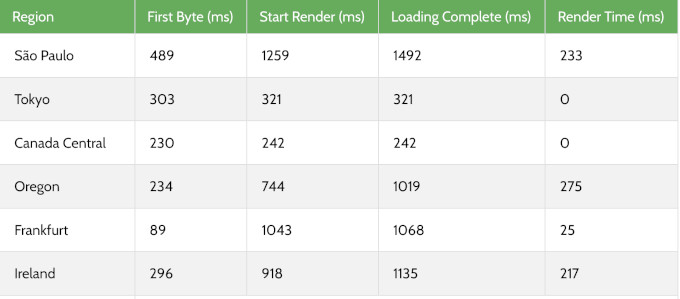
Due to WordPress.com’s powerful globally distributed infrastructure, the response times were excellent across all locations.
Stress test:
During the stress test, I was able to see the resilient WordPress.com platform with an impressive P95 10ms.
Uptime monitoring:
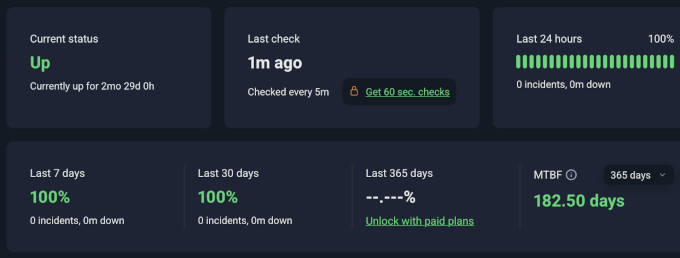
During a monitoring period of 3 months our test site showed a 100% uptime.
My verdict: WordPress.com offers the best raw speed and a cheaper entry point. Its personal plan is the easiest way to start a WordPress website (and they now allow you to install plugins). However, for small businesses, I would recommend their ‘Business’ plan, which gives you more control and features. If you want to write or run your business while the platform runs everything else, give WordPress.com a try.
3. Levamo – Best Managed WordPress Hosting
Levamo is my #1 choice for eCommerce and membership websites. It is built for the kind of heavy, dynamic traffic that would slow a cheaper host down. I would put Levamo in the Enterprise WordPress hosting category.
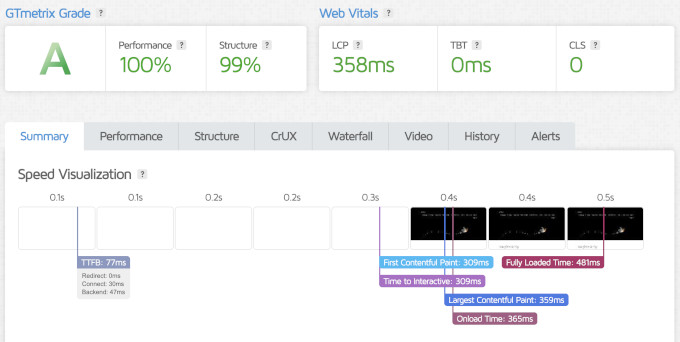
In my tests, Levamo showed its content in 358 ms and held a 16 ms response under 50 users. It was the fastest overall WordPress hosting provider of all my featured picks.
That speed comes from real infrastructure, which includes an enterprise Cloudflare CDN, Redis object caching, and built-in security.
Most of WPBeginner’s sister brands and eCommerce sites run on Levamo, so I have watched it hold up under real, heavy traffic, not only in a one-off test.
It is not cheap, but you are paying for quality, especially with Enterprise Cloudflare bundled in. Plans start at $29 per month for the entry plan, and Levamo can handle sites of any size.
I would not use it for a simple hobby blog, but if you have an eCommerce website or a high-traffic business website that makes money, then the speed under load is worth the price. That’s why our team at WPBeginner uses Levamo. They also includes free migration and a trial, so you can test it out first.
Before you buy, it’s important to know what the Starter plan actually covers. It includes one site and 25,000 monthly visits. Advanced features like Redis object caching and the full auto-scaling tier start on the Business plan, which is where I believe Levamo really shines.
Every plan does include a staging site, daily offsite backups, free migration, and the Enterprise Cloudflare CDN, which competitors often sell as paid add-ons. The three-day trial needs a credit card and converts to a paid plan automatically, so please set a reminder if you only want to test it.
Pros
- Fastest WordPress hosting pick to paint: 358 ms
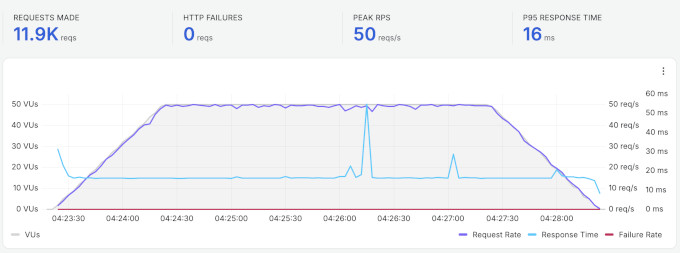
- Elite performance under load: 16 ms response with no failed requests
- Enterprise Cloudflare CDN, Redis caching, and security built in
- Built for WooCommerce, includes auto-scaling PHP workers for traffic spikes and isolated cloud containers, so no shared resources
- Free migration and a free trial
Cons
- Premium price, starting at $29 per month
- Entry plan is one site with a 25,000-visit limit
Levamo Performance Test Results
Performance summary: LCP 358 ms · Full page load 481 ms · Under load 16 ms · Global 249 ms · Uptime 100%
Speed test:
Levamo came out as the fastest WordPress host with LCP 358 ms and a fully loaded time of 481 ms.
Global response time:
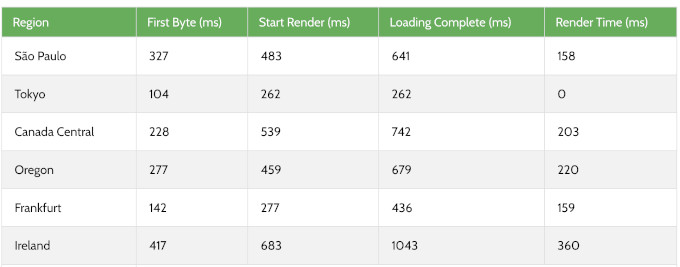
The Cloudflare Enterprise advantage became apparent in our global response time test for Levamo showing excellent response times across all regions.
Stress test:
The Levamo stress test showed a consistent response time under load with P95 response time of 16 ms.
Uptime monitoring:
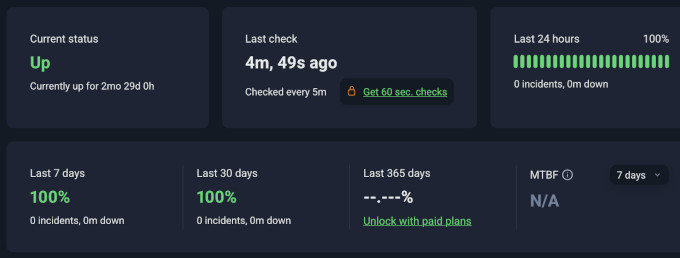
My Levamo test site showed no downtime during a 3-month monitoring period.
My verdict: Levamo stood out as the fastest WordPress host in my tests, and the one we trust with our own eCommerce websites that do millions in annual revenue. It is built for hosting dynamic sites and provides enterprise grade infrastructure without the enterprise cost. If you run a WooCommerce store or membership site, I strongly recommend Levamo. Also if you’re on the Enterprise plan like our larger brands are, they offer Slack-based dedicated support, which is a game-changer.
4. SiteGround – Best for Support
Read my full SiteGround review · SiteGround coupon · See full test data
SiteGround is the host I suggest when someone tells me they get nervous handling tech on their own. The support is the best on this list, and I rely on it in the real world. WPBeginner blog itself is currently hosted on SiteGround.
It is the only pick where you can call a real person 24/7, on top of chat and tickets. It runs on Google Cloud, and in my tests it showed content in 608 ms.
The catch is price. It starts at $2.99 per month, which you can lock in for multiple years, but the renewal price goes up to $17.99, and the entry plan covers one site only. Under heavy load it was slower than my top picks, at a 129 ms response.
So you are paying for support and platform quality, not the lowest price. For a user who wants a safety net, I believe that is a fair trade.
The fine print matters more at SiteGround than anywhere else on this list. It caps the entry StartUp plan at 200,000 files and does not include the Ultrafast PHP setup or staging, which both start on the GrowBig plan.
Backups are the bright spot on SiteGround. Every plan keeps up to 30 daily copies, the deepest retention of any host here. So my honest advice is to treat GrowBig as the real SiteGround plan for business websites.
Pros
- Best support here: 24/7 phone, chat, and tickets
- Runs on the Google Cloud platform
- Free domain and free site transfer
- Strong security and staging tools
Cons
- Steep renewal at $17.99 per month
- Entry plan is one site with visit limits
- Slower under heavy load than my top picks
SiteGround Performance Test Results
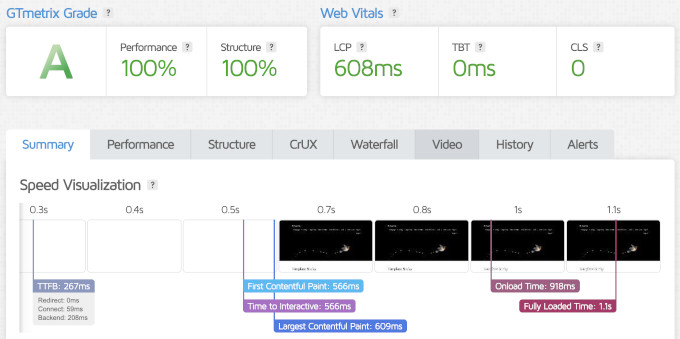
Performance summary: LCP 608 ms · Full page load 1.1 s · Under load 129 ms · Global 369 ms · Uptime 99.96%
Speed test:
SiteGround’s speed test showed an LCP of 608 ms and fully loaded time of 1.1 s. It was not the fastest but still excellent.
Global response time:
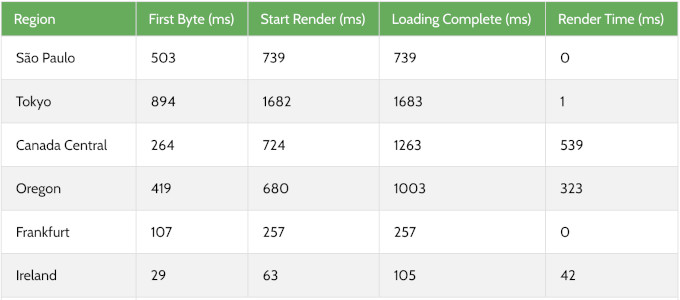
SiteGround’s response time was good in North America and Europe and slightly slower in South America and Japan.
Stress test:
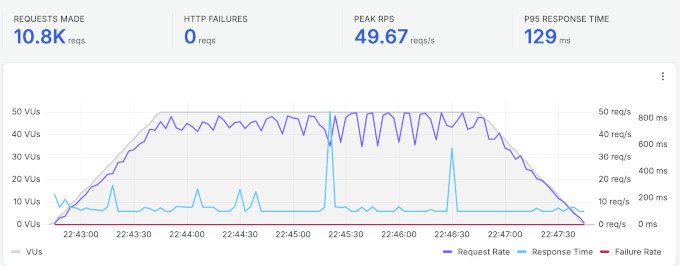
SiteGround’s response time fluctuated a bit during our stress test but didn’t fail a single request and had a P95 response time of 129 ms.
Uptime monitoring:
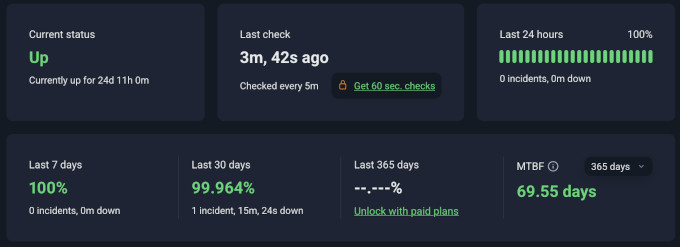
Our test site showed 1 incident of downtime of 15 minutes, and the uptime was 99.96%.
My verdict: SiteGround may not be the cheapest host in the list, but they do have one of the best support options on this list by a clear margin. If you want a safety net of a trusted hosting provider, visit SiteGround.
5. ScalaHosting – Best VPS Hosting
Read my full ScalaHosting review · ScalaHosting coupon · See full test data
ScalaHosting is my pick once you outgrow shared hosting. It is a managed VPS hosting provider, so it sits in its own category on this list.
A VPS (Virtual Private Server) gives you dedicated resources instead of sharing a server with other websites, and it’s often used by developers or more technically savvy users. Scala manages the VPS for you, which is nice, and in my tests, it held a 29 ms response under load with 100% uptime.
Their hosting prices start at $14.95 per month and renew at $39.95. That is more than shared hosting, but far less than most managed VPS plans. The free SPanel control panel also saves you the usual cPanel license fee.
VPS hosting is definitely not ideal for small blogs or website. It is typically the step up for a growing site that doesn’t want the cost premium of fully managed WordPress hosting, but you still want the powerful server resources without hiring a SysAdmin.
Most other VPS providers charge extra for control panels like cPanel, which can add $15 to $48 per month on their own. SPanel is included free with unlimited accounts, and the SShield security layer (an AI-powered cybersecurity system) is bundled too.
You can add CPU or RAM from your dashboard in minutes, without migrating to a new server, and if you ever cancel, Scala refunds the unused time on your plan. For a first VPS, these details matter more than the sticker price.
Pros
- Managed VPS with dedicated resources
- Strong under load: 29 ms response, 100% uptime
- Free SPanel control panel saves the cPanel license fee
- Free migration and 24/7 expert support
Cons
- Pricier than shared hosting: $14.95, renews $39.95
- More than a simple site needs
- A VPS is a step up in complexity
ScalaHosting Performance Test Results
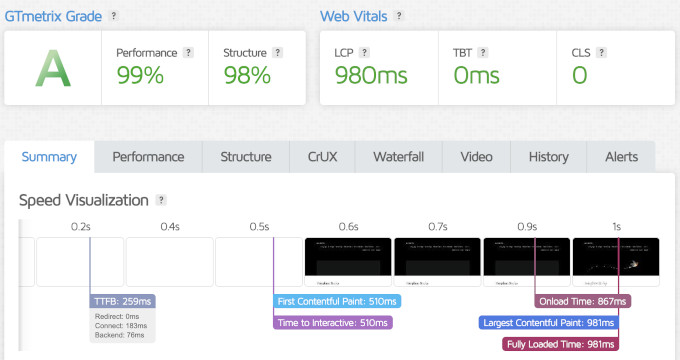
Performance summary: LCP 980 ms · Full page load 981 ms · Under load 29 ms (100% uptime) · Global 526 ms
Speed test:
My speed tests showed a page load time of 981 ms. However, our largest content loaded slowly.
Global response time:
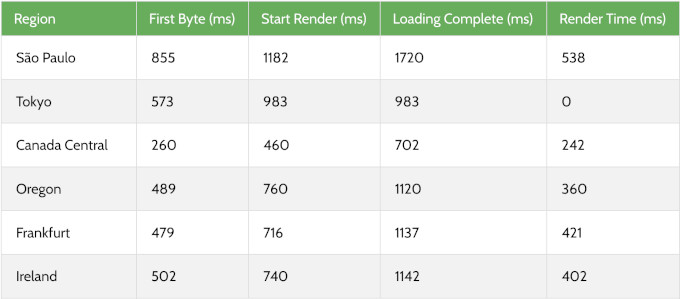
The response time in North America was good but showed slower response times in other regions.
Stress test:
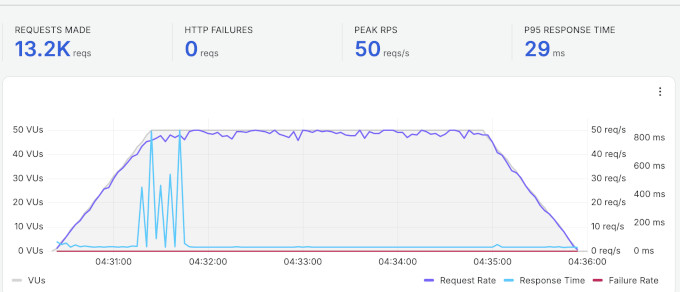
The stress test showed great performance with few fluctuations under stress and a P95 response time of 29 ms.
Uptime monitoring:
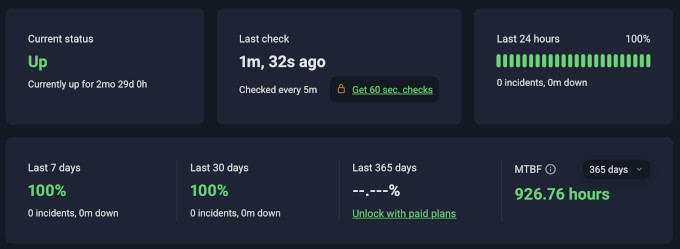
Our test site showed a 100% uptime during a testing period of 3 months.
My verdict: Considering the performance and flexibility, I found ScalaHosting to be a sensible step up when shared hosting starts holding you back. If your site has outgrown its plan, visit ScalaHosting.
6. Bluehost – Best for Beginners
Read my full Bluehost review · Bluehost coupon · See full test data
Bluehost is where I point a true first-timer. They’re an official WordPress.org recommended hosting provider, and the setup is the simplest of any host I tested.
For $2.99 per month you get room to grow: 10 websites, a CDN, and AI setup tools. It renews at $9.99, which is not the cheapest but fair for the value it offers.
I will be honest about speed. Bluehost was slowest among the featured picks, with a 933 ms LCP.
I tried to run my stress test on it, but I learned that their Cloudflare integration now blocks that kind of traffic. That is the same protection that shields real sites from attacks, so I could not push it the way I pushed the other host’s servers.
However, for a beginner who wants the simplest start and the official WordPress recommended pick, it does the job well.
Two details stand out once you read the plan pages closely. The entry plan includes 10 websites, where most hosts at this price allow one, so as a beginner, you get room to experiment without upgrading.
Secondly, the WordPress.org endorsement is not new. Bluehost has been on that list since 2005, longer than any other host.
Pros
- Officially recommended by WordPress.org
- Simplest setup for a first-time user
- 10 websites, a CDN, and AI setup tools for $2.99
- Reasonable renewal at $9.99 per month
Cons
- Slowest of my featured picks: 933 ms LCP
- No phone support on the entry plan
- Weekly backups only
Bluehost Performance Test Results
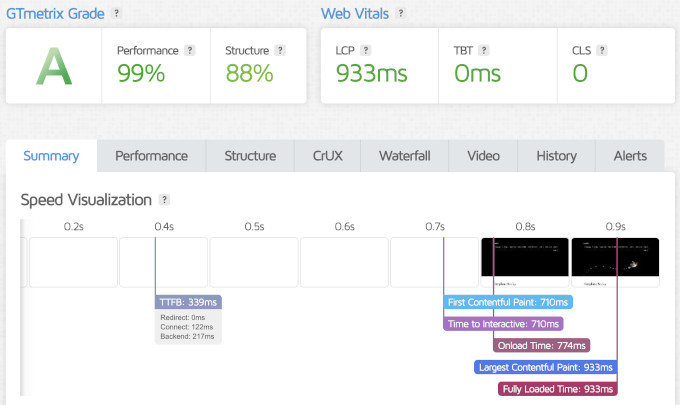
Performance summary: LCP 933 ms · Full page load 933 ms · Under load blocked by Cloudflare · Global 599 ms · Uptime 100%
Speed test:
My speed test showed slow performance. Our largest content paint loaded in 933ms along with rest of the page.
Global response time:
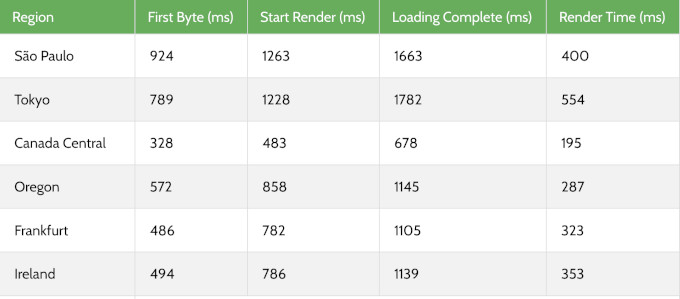
Global response time was good in most locations except South America and Japan.
Stress test:
* I couldn’t run the stress test as Bluehost’s Cloudflare integration blocked virtual traffic.
Uptime monitoring:
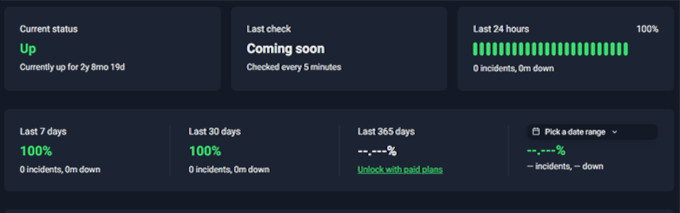
Our Bluehost test site showed a 100% uptime during our monitoring period of 30 days.
My verdict: Bluehost is a good choice for first-time WordPress users. It has the easiest onboarding experience, which helps new users quickly set up their first website. It is also one of the officially recommended hosting providers by WordPress.org. If you are building your first site, visit Bluehost.
7. DreamHost – Budget Alternative for Beginners
Read my full DreamHost review · DreamHost coupon · See full test data
DreamHost is my budget alternative for a first website. They’re affordable, honest about their pricing, and they’ve been around since 1997.
The value it offers is hard to argue with. Starting from $1.99/mo, it renews at $7.99 per month, the lowest of any host here, and that includes up to 25 websites, 25 GB of NVMe storage, unmetered bandwidth, and daily backups, where many budget hosts only back up weekly.
In my tests, DreamHost websites performed well with a 986 ms LCP and a 245 ms response under load. The results were reasonable rather than remarkable.
So I would not pick DreamHost for speed. However, if you want generous limits at the lowest long-term price from a host with a long track record, it is a solid choice for a first site.
Two things that I really like about DreamHost are that you can pay month to month on any plan, so you are not locked into a multi-year term to get a decent rate. And, they give free shared hosting to registered US nonprofits, which almost no other host does. This speaks volumes about their company values and that matters.
Pros
- Lowest long-term price: renews at $7.99 per month
- Generous limits: 25 sites, 25 GB NVMe, unmetered bandwidth
- Daily backups, not weekly
- Long track record since 1997
Cons
- Not the fastest: 986 ms LCP, 245 ms under load
- Fewer premium tools than pricier hosts
- No priority support tier
DreamHost Performance Test Results
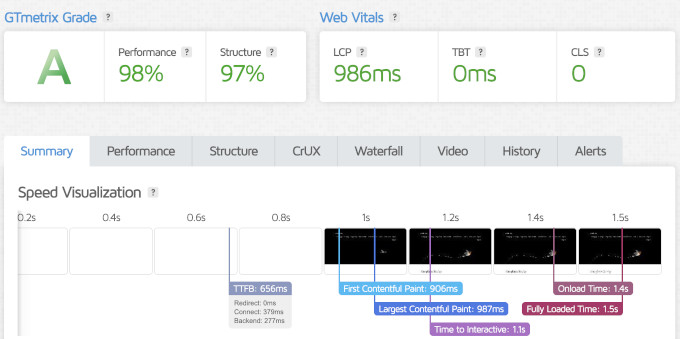
Performance summary: LCP 986 ms · Full page load 1.5 s · Under load 245 ms · Global 658 ms · Uptime 100%
Speed test:
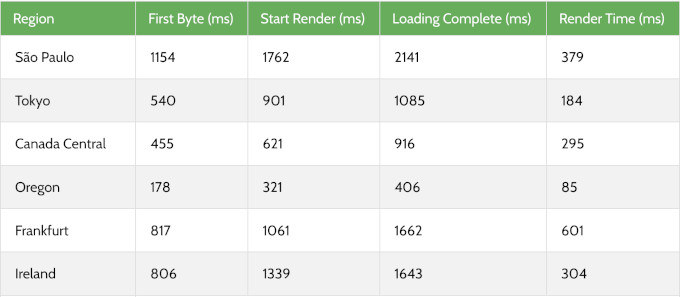
The largest content paint was 986 ms and a fully loaded time of 1.5 seconds.
Global response time:
The response times were good in the US and Canada but slower everywhere else.
Stress test:
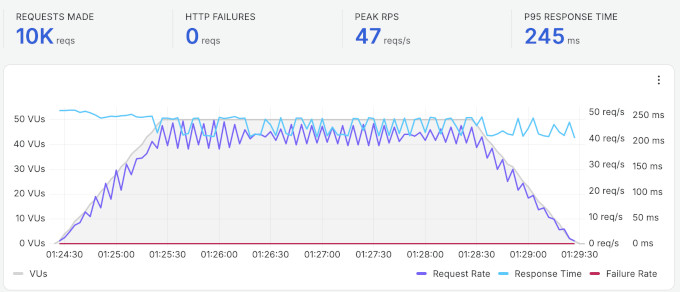
Our DreamHost stress test result showed a higher P95 response time (245ms) with no failed requests.
Uptime monitoring:
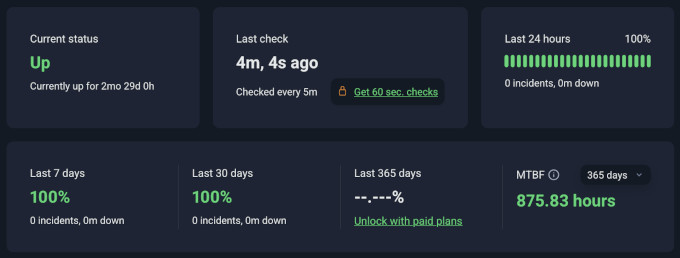
Our DreamHost test site showed a 100% uptime during the monitoring period.
My verdict: DreamHost offers a very balanced starting point for new users. It is not the fastest but makes up for it with the lowest long-term price and the most generous limits. If budget decides for you, visit DreamHost.
Why Trust WPBeginner?
We have helped millions of people build WordPress sites since 2009. I test hosts on real websites, not on their spec sheets, and we host our own sites on the companies we recommend. When a host blocks my test or slows down, I tell you. That honesty alone tells you that our research is original. These days most WordPress hosting review sites are simply sponsored listicles.
How I Test and Score Each Host
I want to share my testing process transparently with you.
I set up the same website on every host. Same theme, same content, same images. Each one ran on its own domain, with the cache warmed first.
Then I used the same tools for all of them. GTmetrix for load speed, k6 for stress under 50 users at once, PageSpeedPlus for global response, and UptimeRobot for uptime.
When I say a page loaded in a given time, I mean the LCP, the moment the main content becomes visible. That is the metric Google uses to measure speed and performance in their new Core Web Vitals metrics.
The fully loaded time, with every last script finished, is always longer, and you can see both on each test screenshot.
Then I turned the results into one number, the WPBeginner Score out of 100.
Performance is 80 percent of the score. It includes, how fast the page paints, how it holds up under load, how quickly it responds around the world, and its uptime.
Value is the other 20 percent. It includes: the renewal price, the starting price, what you get for the money, the support, and the plan limits. This is important for small businesses as not everyone can afford expensive hosting, and sometimes you don’t need the extra resources either depending on your use-case.
This is why a strong budget host can rank above one with a slightly higher speed score.
What Are the WordPress Hosting Requirements?
The WordPress tech stack is fairly simple and almost any good web hosting server can run WordPress. The basic requirements are:
- PHP version 8.3 or greater
- Database – MariaDB 10.11+ or MySQL 8.0+.
- HTTPS support with an SSL certificate
That is all it needs. If a host meets these, WordPress will run. I still suggest a host that keeps its servers updated and offers one-click WordPress install, automatic updates, and real support.
Which Type of Hosting Do You Need?
Speed and price matter, but the right WordPress hosting choice really depends on your business needs. Here is how I steer people, based on what they are building.
Shared hosting is for new and small sites. Your site shares a server with others, which keeps the cost low. I recommend it if you are launching your first blog, a portfolio, or a small business site with modest traffic. A local bakery, a photographer, or a small newsletter would all be perfectly fine on shared hosting. You can use providers like Hostinger, Bluehost, or DreamHost.
Managed WordPress hosting is for businesses and eCommerce websites. The host handles updates, security, backups, and speed for you. I recommend managed WordPress hosting if you run an online store, a membership site, or a business site that makes money and cannot afford downtime. You can use providers like Levamo or Rocket.net.
VPS hosting is for high-traffic sites with full-time developers. A VPS gives you dedicated resources and full control, so your site is not affected by its neighbors. I recommend it if you have outgrown shared hosting, run several busy sites, or you are a developer who needs root access. A managed VPS company like ScalaHosting handles the server upkeep, so you get the power without hiring a system admin.
The one thing I would avoid is free hosting. It often comes with ads, weak security, and the risk of a sudden shutdown. For a site that matters, it is not worth it.
Performance Comparison Charts
Page Load (LCP)
Lower is better. Orange bars are my featured picks.
Response Under Load (P95, 50 users)
Lower is better. Orange bars are my featured picks.
Global Response Time (6 regions)
Lower is better. Orange bars are my featured picks.
WordPress Hosting Complete Performance Comparison Data
My featured picks, ranked by the WPBeginner Score. Hostinger and WordPress.com tie at the top, one leading on tools and value, the other on raw speed.
| # | Host | Best For | Price | Score |
|---|---|---|---|---|
| 1 | Hostinger | Overall | $2.69/mo | 88 |
| 2 | WordPress.com | Business | $1.38/mo | 88 |
| 3 | Levamo | Managed | $29/mo | 84 |
| 4 | SiteGround | Support | $2.99/mo | 75 |
| 5 | ScalaHosting | VPS | $14.95/mo | 73 |
| 6 | Bluehost | Beginners | $2.99/mo | 69 |
| 7 | DreamHost | Budget | $1.99/mo | 64 |
Every host I ran through the same tests, featured or not. This is the raw data for transparency. Lower is better for load, under-load response, and global response.
| Host | Load (LCP) | Under load (P95) | Global response | Uptime |
|---|---|---|---|---|
| Levamo | 358 ms | 16 ms | 249 ms | 100% |
| WordPress.com | 417 ms | 10 ms | 273 ms | 100% |
| Hostinger | 659 ms | 21 ms | 227 ms | 100% |
| SiteGround | 608 ms | 129 ms | 369 ms | 100% |
| Scala Hosting | 980 ms | 29 ms | 526 ms | 100% |
| Bluehost | 933 ms | Blocked | 599 ms | 100% |
| DreamHost | 986 ms | 245 ms | 658 ms | 100% |
| Pressable | 586 ms | 7.74 ms | 282 ms | 100% |
| Kinsta | 391 ms | 24 ms | 755 ms | 100% |
| WP Engine | 670 ms | 89 ms | 624 ms | 100% |
| HostArmada | 822 ms | 137 ms | 330 ms | 100% |
| Rocket.net | 226 ms | Blocked | 183 ms | 100% |
The WPBeginner Score is out of 100. Performance is 80% of it, and value is the other 20%. Here is the full breakdown of what goes into each.
| Category | Factor | Weight |
|---|---|---|
| Performance (80%) | Page load (LCP) | 20% |
| Response under load (P95, 50 users) | 25% | |
| Global response time (6 regions) | 25% | |
| Uptime (30 days) | 10% | |
| Value (20%) | Starting price | 20% |
| Renewal price | 20% | |
| Features per dollar | 25% | |
| Support options | 15% | |
| Plan limitations | 20% |
Other Hosts We Tested
These hosts did not earn a featured spot, but I tested them too. Here is my honest one-line take on each.
- Rocket.net – It was fast on load and response, but its Cloudflare protection blocked my stress test.
- Pressable – It is a strong managed host owned by Automattic, the company behind WordPress.com. It held up well under load because it uses the same WP Cloud platform as WordPress.com.
- Hosting.com – It was formerly A2 Hosting. It is fine for a small site on a budget that wants reliable performance.
- HostGator – It is a dependable budget host and was the first host I chose when I started WPBeginner, but these days it’s quite a bit slower than my featured picks.
- HostArmada – It is an independent budget host with fast hardware, and it is worth a look for a small site.
- WP Engine – It is a well-known managed host. It is reliable, but pricier than my managed pick.
- Kinsta – It is powerful managed hosting that performed well, but the price is high and the plans cap your monthly visits.
What’s Your Primary Need?
Hostinger. It was fast in my tests (659 ms load) and gives you the most tools for the money: 3 sites, 20 GB, a CDN, email, and AI tools from $2.69 per month.
Best for: startups, small businesses, and anyone building their first serious website who wants the best value for the money.
Levamo. The fastest to paint in my tests (358 ms) and elite under load (16 ms), built on an enterprise Cloudflare CDN and Redis caching. It is made for traffic that would choke a cheaper host.
Best for: busy online stores, membership sites, and high-traffic blogs that make money and cannot afford to slow down.
WordPress.com. Fully managed and the cheapest entry at $1.38 per month. There is nothing to install, update, or maintain, so you can just write and publish.
Best for: bloggers, writers, and small businesses that want to run their business without the technical side.
SiteGround. The only pick where you can call a real person 24/7, on top of chat and tickets, all running on Google Cloud. It is the host I trust when someone needs a safety net.
Best for: beginners and non-technical owners who get nervous with tech and want a real person to call when something breaks.
Scala Hosting. A managed VPS with dedicated resources and a free SPanel control panel. It held a 29 ms response under load, and Scala runs the server so you do not have to.
Best for: growing sites and small agencies that have outgrown shared hosting but do not want to hire a server admin.
Still Not Sure? Take the Quiz
Instead of reading every comparison, let our recommendation engine do the work. Answer a few quick questions and it will point you to the right host for your situation.
My Verdict
Still deciding? Here is the short version.
For most people, I recommend Hostinger. It is fast, affordable, and gives you the most tools for the money. If you run an eCommerce store or high traffic website, Levamo handled heavy traffic better than anything else I tested. And if you are a first-timer who wants the simplest start, Bluehost is the official WordPress pick.
Whatever you choose, you have seen the data behind it. That is the point of this guide.
Changelog
I update this guide as the test data changes. Every update is logged here, newest first.
July 2026: Re-tested all hosts on their own custom domains, using the same website, then re-ranked them by the WPBeginner Score. Added the score methodology, the full comparison table, and this changelog.
WordPress Hosting FAQs
Does WordPress include hosting?
No. WordPress.org is free software you install on your own hosting account, so you still need a host to put your site online. WordPress.com is a fully managed service that includes the hosting for you.
What is the best cheap WordPress hosting?
DreamHost, Hostinger, and WordPress.com offer the best value in my tests. DreamHost has the lowest renewal price.
Which is the fastest WordPress hosting?
Levamo stood out as the fastest WordPress hosting provider in my tests, and it is our pick for the best managed WordPress hosting.
Can I move my site to a new host later?
Yes, you can move your WordPress site to a new host later. WordPress comes with a built-in export option and many WordPress hosts offer free or assisted migrations.
Do I need to buy my domain from my host?
No, you can buy your domain name from any domain name registrar and point it to your current hosting provider. Although many shared hosting companies offer free domain for a year with their WordPress hosting plans.
I hope this guide helped you find the best WordPress hosting for your needs. You may also want to see our guide on the must have WordPress plugins for business websites, and the ultimate WordPress security guide to protect your website.
If you have questions or feedback about WordPress hosting or my research, feel free to send me a message. I am always happy to help.
Moinuddin Waheed
I have a imple criteria to follow while choosing the hosting services.
Performance, security, uptime, cost affordability and the most important of all is support.
If these requirements are well taken by any provider, I go for it.
not denying the fact that there are other considerations as well but for me this suffices my needs of hosting requirements.
Mark
There are really only two to consider: SiteGround and WPEngine, forget the rest, they all have at least one or more major issues in how you have to interact with their teams, the host dashboards, performance, time wasting items, and biggest issue of all SUPPORT. The others just don’t provide the support needed for a very actively changing website and email accounts. SiteGround always quick and good response. The others listed here have lack luster support, over the last 25 years, as I have been in it longer than this poster, I have tried most of them. Ever faster services can cause you so many headaches it’s just not worth it.
Moinuddin Waheed
I agree with these two hosting providers excellent service.
I have tried almost all the industry standards and have settled down to siteground because of their best hosting services.
The best thing as you mentioned is theri support team.
They are always available to make any sort of resolution needed.
Everything about hosting requirements is best carried out by siteground.
i always recommend this to anyone who want to have best of hosting experience for their business.
Hajjalah
I switched to Bluehost hosting after reading this article and i am so amazed by the extremely its faster servers and real-time customer compared to my former hosting. I have witnessed returning visitor to my website increase since then.
That has made me to realize that a good hosting greatly affects website traffic because poor servers load web-pages very slowly which avoids visitors to return. Thanks WPBeginner indeed.
WPBeginner Support
Glad to hear you’ve enjoyed their servers
Admin
Sabrena
So I’m confused now. I’ve got the creator plan, and pay Word Press. Does that mean Word Press is my host? Ughh! Just when I think I understand something! If I use Bluehost do I have to do all that confusing Domain stuff again for a transfer? I have no clue how to do that and thank God for happiness engineers!! They have made me really happy a couple different times! I’m about to call one here in a bit because my website is saying “nothing here to see” and I don’t know what I did!! Anywho..thank for the great article! I wish all the WP how to’s were this read and understand! WP needs a dictionary link where newbies can go to get the meaning and what it’s used e
WPBeginner Support
If you pay WordPress.com for your site then you are most likely using WordPress.com as your host and if you are interested in moving your site then we would recommend taking a look at our article below!
https://www.wpbeginner.com/wp-tutorials/how-to-properly-move-your-blog-from-wordpress-com-to-wordpress-org/
We also have a glossary section to help with some WordPress terms you may or may not know
https://www.wpbeginner.com/glossary/
Admin
THANKGOD JONATHAN
I have just take your survey and it really recommended my favourite hosting company which is Bluehost. It is very affordable with great perfomance.
WPBeginner Support
Glad to hear you use the recommendation
Admin
Fajri
Many affiliate recommends bluehost. I haven’t tried it yet, but it seems pretty promising by looking to the hosting specs.
If you are a beginner that want to make a single website, I would recommend it too as the smallest plan have a reasonable pricing.
Moinuddin Waheed
I am making a course website where I will be restricting content based on user roles.
it is basically subscription model. I am using memberpress plugin for this.
I am not sure if the shared hosting plan of hostinger will suffice my need or will I need to use vps hosting?
could you please let me know if which plan is best suited for my needs among shared, vps and managed wordpress hosting?
WPBeginner Support
It would depend on how much traffic you are receiving on your site for which hosting plan level would be best for you, shared is normally best for sites just starting out. If you are planning to use Hostinger then if you reach out to their support they can help you determine what plan level would be best for you.
Admin
Lara Carter
This website was surprisingly interesting, I was just reading it and I took the quiz and not only did it give me a match, but it also gave me so much information about it and the other options so I could compare it.
WPBeginner Support
Glad to hear our tools were helpful!
Admin
Kilama Apollo Ochola
I am still stuck on whether to choose between bluehost or siteground!! wonder which one is better for a newsite blog that recieves over 500,000 monthly visits
WPBeginner Support
Rather than which hosting provider, a site that large would need a larger hosting plan.
Admin
A. W. Raihan
I have worked with many of the hosting providers but it’s always for the better option I also think Bluehost & SiteGround provides the best services for any of the CMS platforms & custom buildings.
Renee
Is WordPress hosting expensive? Just wondering why, if someone has a WP site, why they wouldn’t go with WP hosting then. I’m a newbie to this…. trying to transfer from a company that was set up for me 10+ years ago… Seems like all in one place would make support better.
WPBeginner Support
It is not specifically expensive, some sites are very large and require more than the default WordPress hosting that hosts offer while some prefer managed hosting that has a host be more active in support.
Admin
Sasa
My best site for education. Thank you
WPBeginner Support
Glad you think so!
Admin
Marc
Top article! Exactly what i was looking for, thank you
WPBeginner Support
You’re welcome, glad you found it helpful!
Admin
Roy Solheim
Hi,
I comprehensive and well-written guide/review giving good insights in how the chosen hosting providers for the review perform.
I haven´t tried any of them yet, but use one.com and WPX.net for my websites and am happy with them. They cost more than the ones you have reviewed but are very good at what they do.
Do you know/have experience with One.com or WPX.net?
All the best,
Roy
Farhan Bajrai
Thanks for this great comparison. I chose Hostinger, but came to know other hosting services too. Definitely will test other Hosting services in the future.
Huma Saeed
Worth reading. This informative guide provides valuable insights to help anyone make an informed decision and ensure a seamless experience for clients and visitors.
WPBeginner Support
Glad to hear you found our list helpful!
Admin
Sherril Stewart
We use Namecheap for hosting. I appreciate all the information available for WordPress.
Esteban Meza
WPBeginner is my first source of knowledge when it comes to developing WP sites, I always find the information I need! in this case, it helped me choose the best hosting option for my sites, so I´m thankful again!
WPBeginner Support
Thank you, glad to hear you found our guide helpful!
Admin
Randy
You always give the best WP tips! Keep up the GREAT work!!
Sridhar
Bluehost is my first preference and Then Nowadays Hostinger hosting is also performing well.
lisa bell
I signed up for siteground. it’s not bad. i guess I thought it would be an easier drag/drop than I thought. i’m still working out the kinks, so wish me luck!
Muhammad Asim
I actually went with DreamHost and for now, I’m pretty happy. I’ve got hosting + domain for almost half of the prices of Bluehost and with the same features… we’ll see in the long term…
Jeanne
I’ve found WPBeginner.com to be one of the most informative and reliable sites when it comes to learning about working with WordPress. Thanks WPBeginner!
WPBeginner Support
You’re welcome, glad you found our content helpful!
Admin
Jules Webb
I’ve been using FlyWheel for several years and am happy with their hosting and support.
WPBeginner Support
Thank you for sharing your preferred host for those looking at options
Admin
Praful Thakkar
Very detailed – and helpful, for sure. Thanks a lot.
WPBeginner Support
You’re welcome, glad you found our guide helpful!
Admin
Syed Kashif jafari
I’m using hostinger & this is great & affordable for startup
WPBeginner Support
Thank you for sharing who you are using
Admin
Faissal Bouhouili
Rating: 5 out of 5 stars
WPBeginner is an exceptional online platform that serves as the go-to resource for beginners looking to master the art of WordPress. As someone who has personally benefited from their extensive knowledge base, tutorials, and guides, I cannot recommend WPBeginner highly enough.
One of the standout features of WPBeginner is their commitment to catering specifically to beginners. They understand that starting with WordPress can be overwhelming, and they have structured their content in a way that simplifies the learning process. Whether you are a complete novice or have some experience with WordPress, WPBeginner’s step-by-step tutorials and comprehensive guides provide a solid foundation for understanding and harnessing the power of this popular content management system.
Anjan Banerji
I use bluehost extensively followed by godaddy.
WPBeginner Support
Thank you for sharing who you use!
Admin
TolTec
Thanks for all your advice and tools Syed, both are much appreciated.
Cayman Bonnie
I did get savings on Bluehost and thank you for that. Now, hopefully, your other blog posts will assist me in getting my site set up!
Muhammad Junaid
I started on WordPress after reading your article then I moved a2hosting. Recently, I moved to hostinger. I can tell that for customer support a2hosting is better as compared to Bluehost and Hostinger. Hostinger’s cloud plan gives large resources to work with in lower amount.
WPBeginner Support
Thank you for sharing your experience with your hosting
Admin
Kenneth Dela Cruz
thank you for this detailed information.
WPBeginner Support
You’re welcome!
Admin
Beverly Henry
Thank you for such great information. I am in the process of getting web hosting and this came at a time when I had questions about which to choose. Your article has undoubtedly given me more information and will let me choose the best hosting for my current needs. Once again, thank you!
WPBeginner Support
Happy to hear you found our guide helpful!
Admin
Farrukh Khan
I am using Hostinger and find it the best and most affordable too.
Filipe
Best Wordpress content in the internet!
WPBeginner Support
Thank you for your kind words!
Admin
wirawan
Nice blog, it’s a good blog to know and choose a better web hosting
WPBeginner Support
Thank you, glad you found our content helpful!
Admin
sehrish
WP beginner is always been a great help whether you’re a newbie or a growing blog
WPBeginner Support
Happy to hear you’ve found our content helpful!
Admin
Shirley
WPBeginner always provides in-depth information that is easily understood. Even non-techies like me can make informed decisions and take action after reading your emails, articles, or blog posts. Thank you!
WPBeginner Support
You’re welcome and thank you for your kind words!
Admin
Lois
Thanks for all the info! we gave been thinking about changing our hosting.
Dan Pennell
This is great and very helpful!
WPBeginner Support
Thank you, glad you found our guide helpful!
Admin
A Raheja
Great resources!
WPBeginner Support
Glad you think so!
Admin
Derek
Thanks for all the great content! Our site still needs work, but we wouldn’t have been able to get this far without your guides along the way.
WPBeginner Support
You’re welcome, happy to hear our guides have been helpful to you!
Admin
Ruhul Amin
Very Helpful post
WPBeginner Support
Glad you found it helpful!
Admin
Stasha
I have used the GreenGeeks for more than a year. I’m thrilled with what I get. First of all, the support is unbelievably great.
WPBeginner Support
Thanks for sharing your preferred host
Admin
Stasha
It was my pleasure.
Kevin Dunn
Will be choosing a new host for my site soon. Will be coming back to this article.
WPBeginner Support
We hope our guide can help you find what will be best for you!
Admin
Uchchash Talukder Rana
Very in-depth guide, especially useful for newbies.
WPBeginner Support
Thank you for your kind words!
Admin
alessandro
GREAT content, thank you
WPBeginner Support
You’re welcome!
Admin
Adam Bell
Personally, I’m a SiteGround guy. Then WP Engine which is great too but a bit on the pricey side.
WPBeginner Support
Thanks for sharing your preference for those looking at their options
Admin
alessandro
Great post, thank you very much!
WPBeginner Support
You’re welcome!
Admin
Melanie Marttila
Very informative post. Love the comparison and contrast of the various hosting services.
WPBeginner Support
Glad to hear you found it helpful!
Admin