March has been a busy month across the WordPress ecosystem. We’re excited that WordPress 6.8’s first release candidate (RC1) is now available for testing, and we’ve also seen innovative new features roll out for popular plugins. AI continues to be a recurring theme — from… Read More »
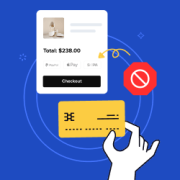
Many WooCommerce store owners make the mistake of enabling every available payment method. But we’ve learned that having too many payment options can actually confuse your customers and even lead to abandoned carts. While running WooCommerce stores, we’ve found that strategically limiting payment options can… Read More »
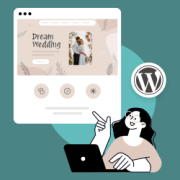
When we first began building wedding websites for clients, we spent countless hours figuring out the best approach, testing different themes, and finding the right combination of plugins. Luckily, creating your own wedding website doesn’t have to be complicated or expensive. With WordPress, you can… Read More »
When we are helping small business owners improve their online stores, one of the most common requests is to streamline the checkout process. After all, every extra step between “Add to Cart” and “Place Order” can lead to abandoned carts and lost sales. We discovered… Read More »
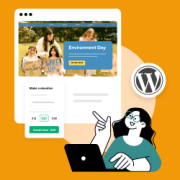
In 2017, we built our non-profit organization, the Balkhi Foundation, to help make college education more attainable for talented young people. We quickly realized how important having the right website was for our mission. Like many nonprofit organizations, we had to figure out how to… Read More »
If your website is getting more traffic, then performance and security stop being optional. Slow load times, traffic spikes, or unexpected downtime can hurt conversions and search rankings fast. That’s usually when site owners start looking at a CDN and security service, only to realize… Read More »
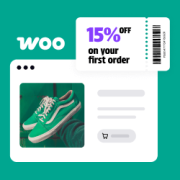
Offering a first-time purchase discount is one of the most effective ways to turn your site visitors into customers. It can help you: If you want to set up a first-purchase discount for your WooCommerce store, then you have several options. We have tried many… Read More »
Want to understand how visitors find and use your website without relying on Google Analytics? Matomo Analytics is a great tool that gives you detailed traffic and user behavior reports while keeping your data under your control.. In this guide, we’ll show you how to… Read More »
We’ve recently been testing WordPress 6.8 and are excited to share the upcoming changes with this release. Small tweaks make WordPress feel much smoother, while new features improve its performance and customization. For example, this upcoming release comes with a major security update, including new… Read More »
If there’s one video marketing statistic you should take away, it’s this — You have less than 5 seconds to hook your viewer. In the age of infinite scrolling, the old ’30-second rule’ is dead. Modern data shows that if you haven’t sparked curiosity or… Read More »
Used to store interaction and conversion data for campaigns in conjunction with Revenue Attribution.
1 year
_gat_omTracker*
Set, controlled and used by Google Analytics to collect and store data and then send that data to Google Analytics. OptinMonster provides the name if there is no existing tracker found on that page.
-
omCountdown-{id}-{elementId}
Used for countdown elements {elementId} in campaigns {id} to determine when it should complete.
-
om-{id}-closed / omSlideClosed-{id}
Used specifically with slide-in campaigns {id} to determine if it has been closed or not by a visitor.
30 days
om-success-cookie / omSuccessCookie
Used to determine if a visitor has successfully opted in to any campaign on your site to unlock content when using our Content Locking feature.
365 days
om-success-{id} / omSuccess-{id}
Used to determine if a visitor has successfully opted in to a campaign with the ID of {id} on your site.
365 days
omSeen-{id}
Used to determine if a visitor has been shown a campaign by the slug.
30 days
om-{id}
Used to determine if a visitor has interacted with a campaign ID of {id} on your site.
30 days
_omappvs
Used to determine when a new visitor becomes a returning visitor.